Understanding the Shift to Agentic AI
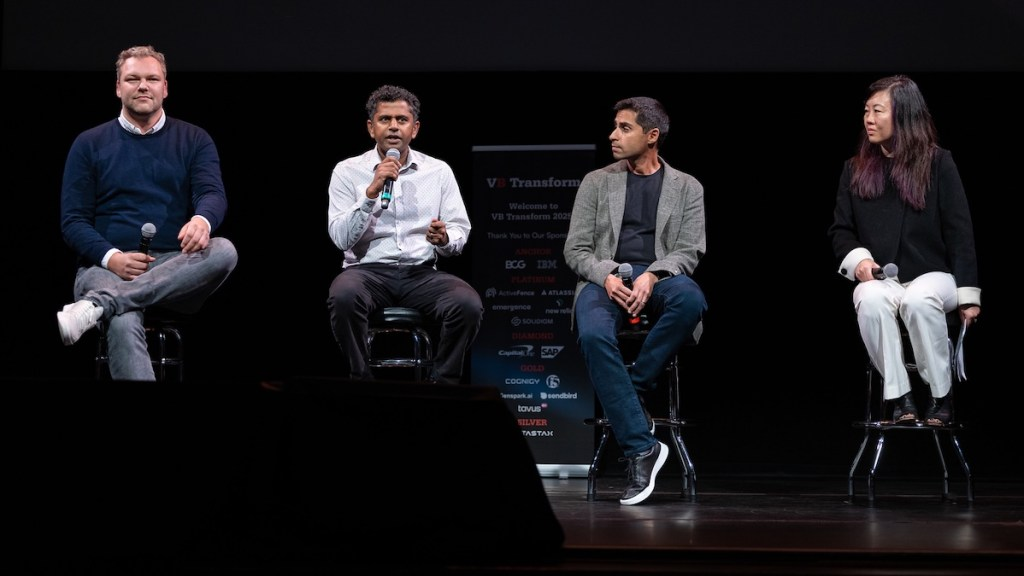
Organizations are increasingly exploring the deployment of AI agents to enhance efficiency and productivity. At the recent Transform 2025 event, industry leaders discussed the transformative potential of these agents in various business applications. They highlighted how AI agents not only save time and resources but also significantly improve customer interactions and conversion rates. The shift requires a change in mindset from traditional software engineering to a more dynamic, probabilistic approach, which can be challenging for teams.
Key Highlights
- AI agents can triple conversion rates on websites, as shown by Rocket Companies.
- A single agent developed in two days saved over a million dollars annually by automating a complex task.
- Organizations are moving from in-house development to leveraging specialized vendor expertise to build and maintain AI systems.
- As the number of AI agents grows, managing their interactions and ensuring reliability becomes increasingly complex.
The Bigger Picture
The rise of agentic AI represents a significant shift in how businesses operate, offering both opportunities and challenges. As organizations integrate these agents, they must prepare for increased complexity and ensure robust monitoring and evaluation systems are in place. This evolution can lead to more efficient operations and enhanced customer experiences, making it crucial for companies to adapt and innovate continuously. Understanding the capabilities and limitations of AI agents will be essential for future success in a rapidly changing technological landscape.