Understanding the Role of AI in Search and Rescue
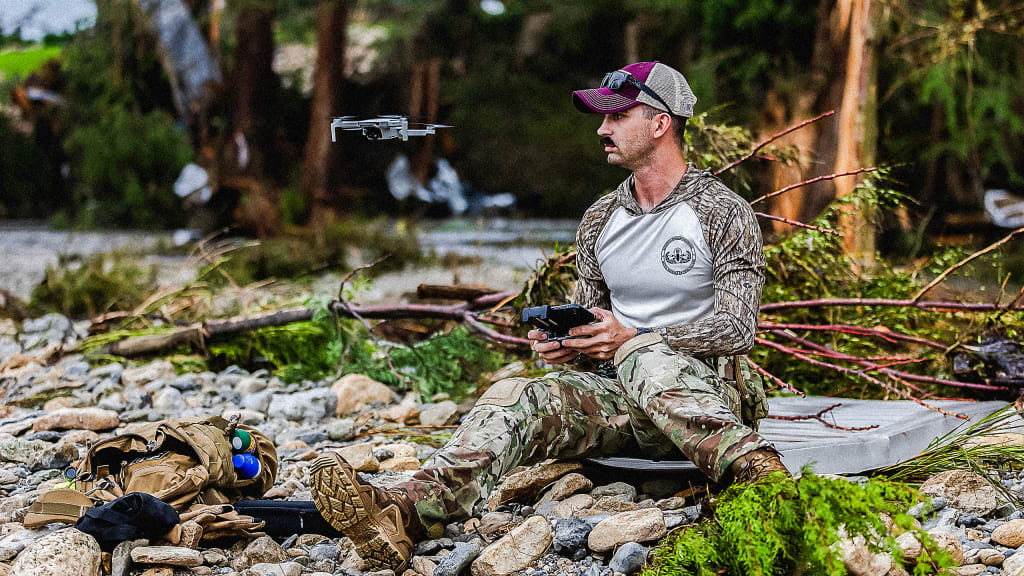
Artificial intelligence is making waves in search and rescue operations, especially during disasters like floods. While AI may not yet match human accuracy, its speed is a game-changer. Drones equipped with AI can analyze vast amounts of imagery quickly, helping to locate missing persons faster than traditional methods. However, current AI systems still have limitations that hinder their effectiveness in complex scenarios.
Key Insights on AI and Search Operations
- AI can scan high-resolution drone images in less than a second, while humans take up to three minutes.
- The sheer volume of images from drones can reach thousands, making manual analysis impractical.
- AI classifiers can help identify signs of human activity, such as debris or personal items, to guide search teams.
- The challenges include high error rates, lack of training data for specific scenarios, and imprecise GPS locations from drone imagery.
The Bigger Picture: Human-AI Collaboration
The integration of AI into search and rescue operations holds significant promise. By combining human expertise with AI capabilities, responders can prioritize areas for inspection more effectively. This collaboration can save precious time during critical moments when survivors may still be alive. As technology evolves, improving AI systems could lead to more successful outcomes in finding flood victims and enhancing overall disaster response efforts.