
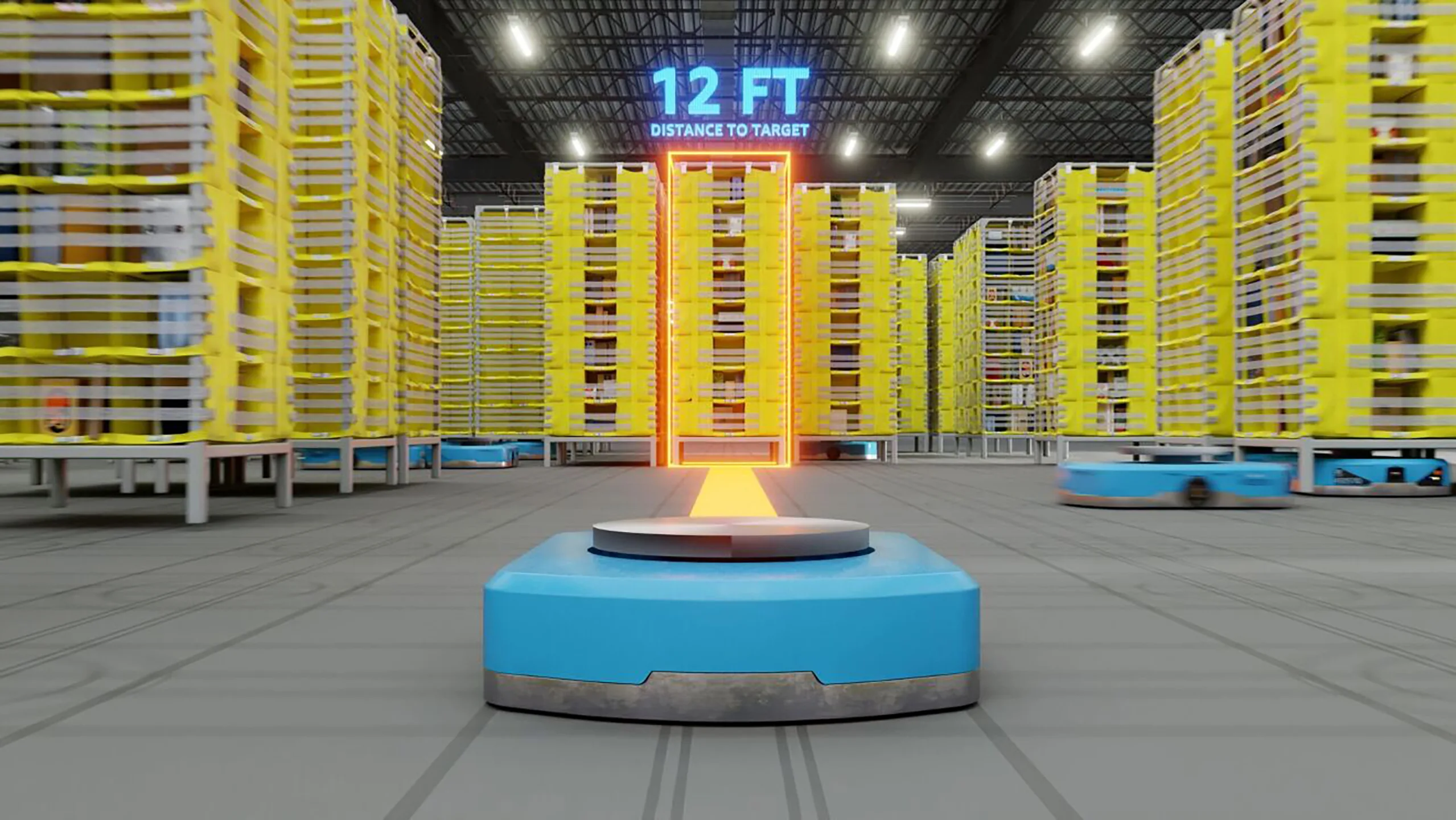
The rapid rise of robots in the workforce is changing the landscape of employment. Amazon has deployed its one-millionth robot, achieving this milestone in just over a decade. This remarkable achievement highlights the company’s shift towards automation, as it took nearly 30 years to build its human workforce of 1.5 million. As robots become more prevalent across various sectors, including delivery, construction, and retail, understanding the technologies behind them becomes essential.
- Amazon’s robots are set to outnumber human workers soon, showcasing the shift towards automation.
- Two key technologies, Physical AI and Embodied AI, are driving this change. Physical AI understands real-world physics, while Embodied AI allows robots to interact with their environment.
- Physical AI can predict outcomes based on physical properties, while Embodied AI enables robots to perform tasks in real-time.
- The integration of robots into the workforce is seen as a way for companies to reduce labor costs and increase efficiency.
The implications of this trend are significant. As robots take on more tasks traditionally performed by humans, there are concerns about job displacement. However, while large language models threaten white-collar jobs, Physical AI and Embodied AI currently pose a lesser risk to blue-collar roles. The question arises: as automation increases, who will be left to purchase the goods produced by these companies? The future of work is evolving, and society must adapt to these changes.





