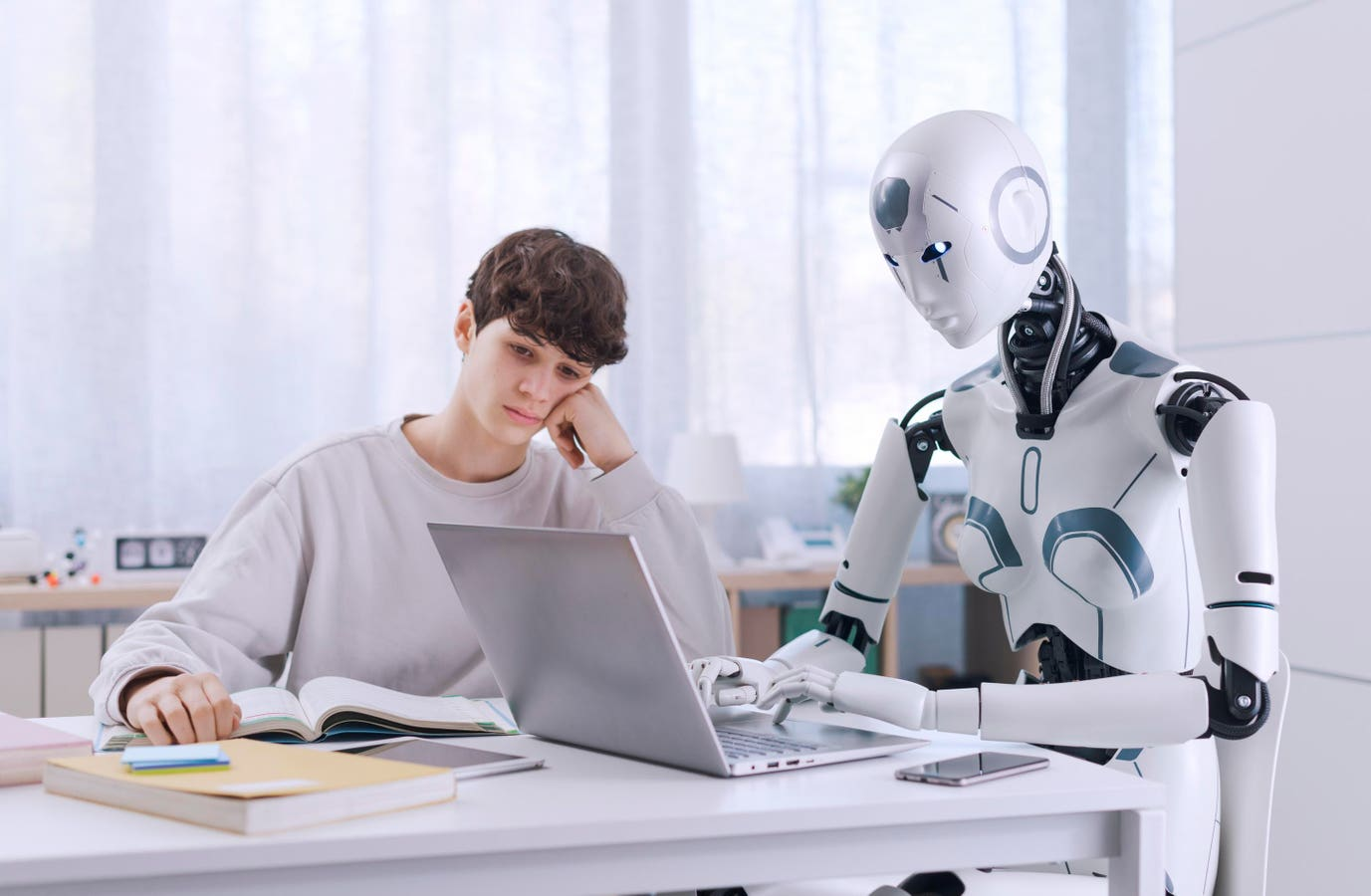
The rise of generative AI in education has sparked significant concerns regarding its effects on critical thinking and academic integrity. However, understanding student perspectives on AI is crucial. A research team from the University of Pittsburgh conducted focus groups with 95 students to explore how AI is reshaping their learning experiences and relationships with peers and instructors. The findings reveal that AI is influencing interpersonal dynamics in classrooms, leading to both positive and negative emotional responses among students.
Key Insights:
- Many students use AI tools like ChatGPT to assist with assignments, especially under time pressure or when feeling stuck.
- While some find AI helpful and less intimidating than traditional academic support, others experience guilt or shame about their usage.
- Distrust is prevalent among students, who express concerns about peers overly relying on AI, leading to feelings of unfairness and resentment in collaborative settings.
- Ambiguity around acceptable AI use creates anxiety and confusion, impacting student engagement and relationships with instructors.
The Bigger Picture:
The impact of AI on student relationships is profound. When students feel uncertain about AI norms, it can hinder their academic engagement and connection with peers and faculty. As trust erodes, students may avoid meaningful interactions that are vital for their success. Institutions must adapt by fostering environments that promote open dialogue about AI, ensuring clear guidelines, and encouraging in-person connections. Listening to student experiences is essential in navigating this evolving educational landscape, as their insights can lead to better strategies for integrating AI into learning while maintaining strong interpersonal relationships.