
Understanding the Current Landscape
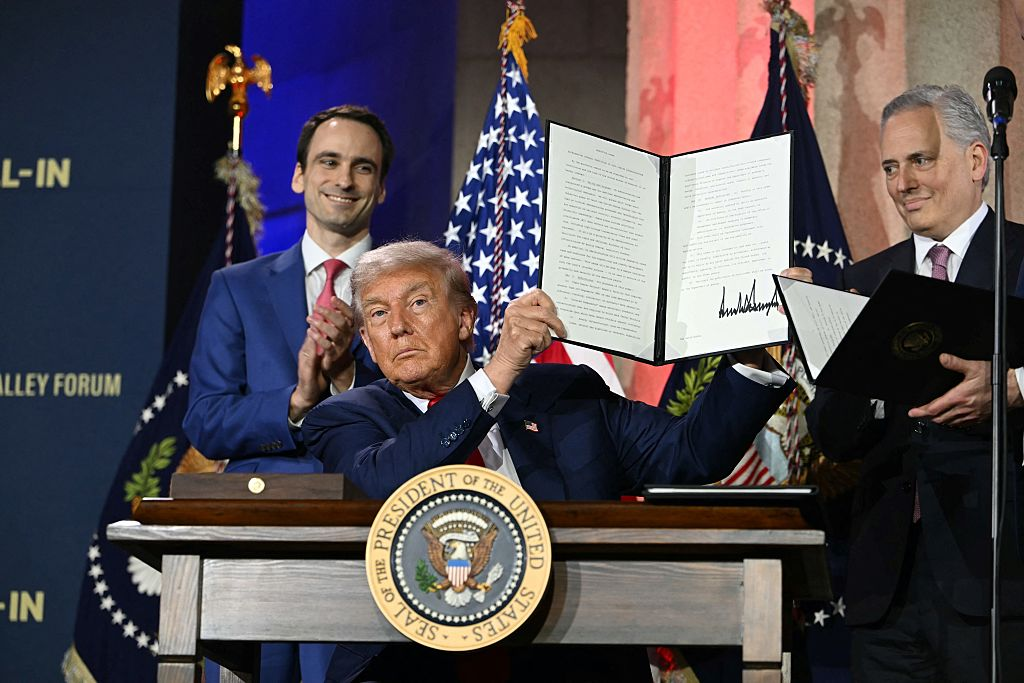
Recent developments in AI technology have sparked intense debate, especially concerning the influence of political ideologies on AI outputs. Chinese firms like DeepSeek and Alibaba have produced AI models that avoid critical questions about the Chinese Communist Party, raising alarms among Western researchers about potential bias and censorship. U.S. officials have confirmed that these models are designed to align with Beijing’s narratives. In response, American AI leaders, including OpenAI, argue that this situation justifies rapid technological advancement without heavy regulation. An executive order from President Trump aims to ban AI technologies deemed “woke” or ideologically biased from government contracts, shifting the focus towards building AI infrastructure and enhancing national security.
Key Points of the Executive Order
- The order specifically criticizes diversity, equity, and inclusion (DEI) initiatives as harmful ideologies that distort AI outputs.
- It mandates federal agencies to ensure AI technologies are ideologically neutral and prioritize accuracy and objectivity.
- Concerns arise that developers may feel pressured to align their models with the administration’s views to secure government funding.
- The definitions of “truth-seeking” and “ideological neutrality” in the order are vague, allowing for broad interpretation and potential bias.
The Larger Implications
This executive order has significant ramifications for the future of AI development in the U.S. Experts warn that it may lead to a chilling effect where companies alter their models to fit political narratives. The emphasis on “truth” and “neutrality” raises questions about who defines these terms, especially in a politically charged environment. The risk is that AI outputs may reflect the biases of those in power rather than objective reality. As the landscape evolves, the challenge remains to ensure that AI technology serves the public good without succumbing to ideological control.





