Understanding the Shift in Fashion Modeling
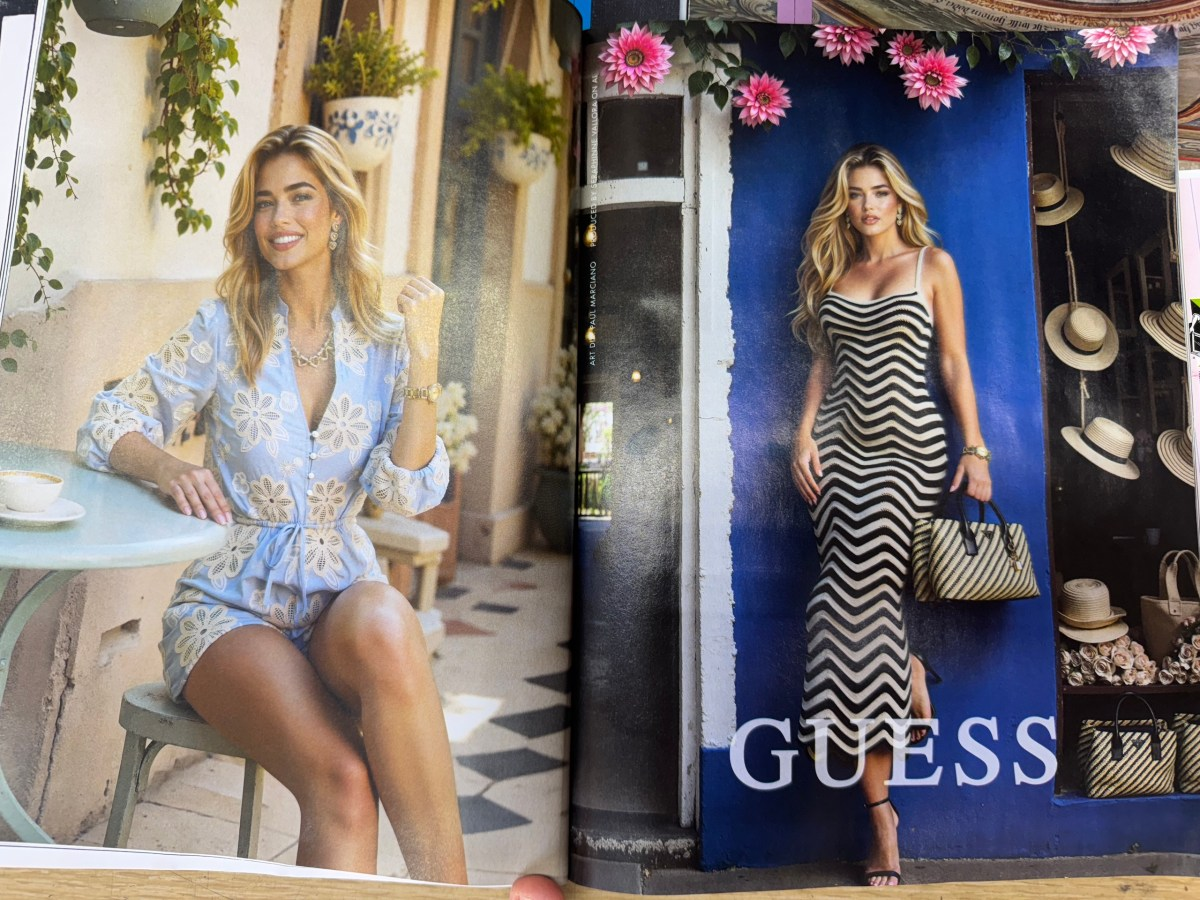
The fashion industry is experiencing a significant transformation due to the rise of AI-generated models. This change has sparked debates about diversity, authenticity, and the future of human models. Sarah Murray, a commercial model, expressed her concerns about competing with AI models, which can be produced at a lower cost and with high perfection. The recent appearance of an AI-generated model in a Guess ad featured in Vogue has intensified these discussions. Critics argue that using AI models undermines the representation of diverse human talent and raises questions about the future roles of models, photographers, and stylists.
Key Insights on AI in Fashion
- Many brands are increasingly turning to AI models for cost-effective advertising, particularly in e-commerce.
- The Guess ad in Vogue has ignited controversy, as it represents a shift towards AI in mainstream fashion.
- Experts warn that the rise of AI could displace human models, especially in commercial roles that provide financial security.
- There are calls for regulations to protect models’ rights as AI-generated likenesses become more common in advertising.
The Bigger Picture: Implications for the Industry
The integration of AI in fashion raises important questions about creativity and human involvement. While AI can produce high-quality content quickly, it risks homogenizing representation and limiting opportunities for diverse models. As brands continue to explore AI’s potential, the need for thoughtful implementation becomes crucial. The ongoing debate highlights the importance of maintaining a balance between technological advancement and the value of human stories and experiences in fashion. The future of modeling may depend on how well the industry adapts to these changes while preserving authenticity and diversity.