Overview of Nvidia’s Transformation
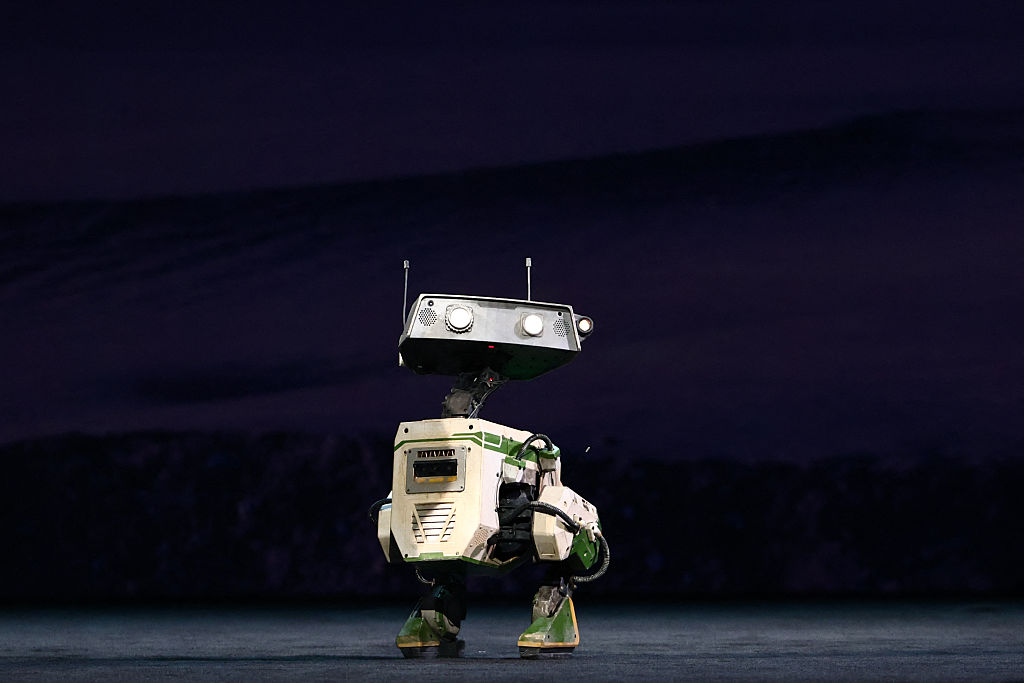
Nvidia’s research lab has evolved significantly since Bill Dally joined in 2009. Originally focused on ray tracing, the lab has expanded its scope and now employs over 400 people. This growth has been crucial in transforming Nvidia from a small GPU company into a $4 trillion powerhouse at the forefront of the AI revolution. The lab is now concentrating on developing technologies for robotics and AI, with recent announcements of new AI models and libraries aimed at robotics developers.
Key Developments
- Bill Dally, Nvidia’s chief scientist, emphasizes the lab’s mission to make impactful contributions to the tech industry.
- The lab has shifted focus from just GPUs to include AI and robotics, starting its AI GPU development as early as 2010.
- Sanja Fidler leads efforts in creating simulations for physical AI, establishing the Omniverse platform to develop 3D models from images and videos.
- Nvidia aims to enhance real-time responsiveness in robots, making them more efficient and effective for various applications.
Significance of Nvidia’s Research
Nvidia’s advancements in AI and robotics are pivotal for the future of technology. The company is positioning itself as a leader in creating the “brains” for robots, which could revolutionize multiple industries. While the journey to fully functional humanoid robots is still years away, the progress being made in AI and robotics will pave the way for significant innovations. As the demand for intelligent machines grows, Nvidia’s research efforts will be crucial in shaping the future landscape of robotics and AI.