
Understanding the Shift
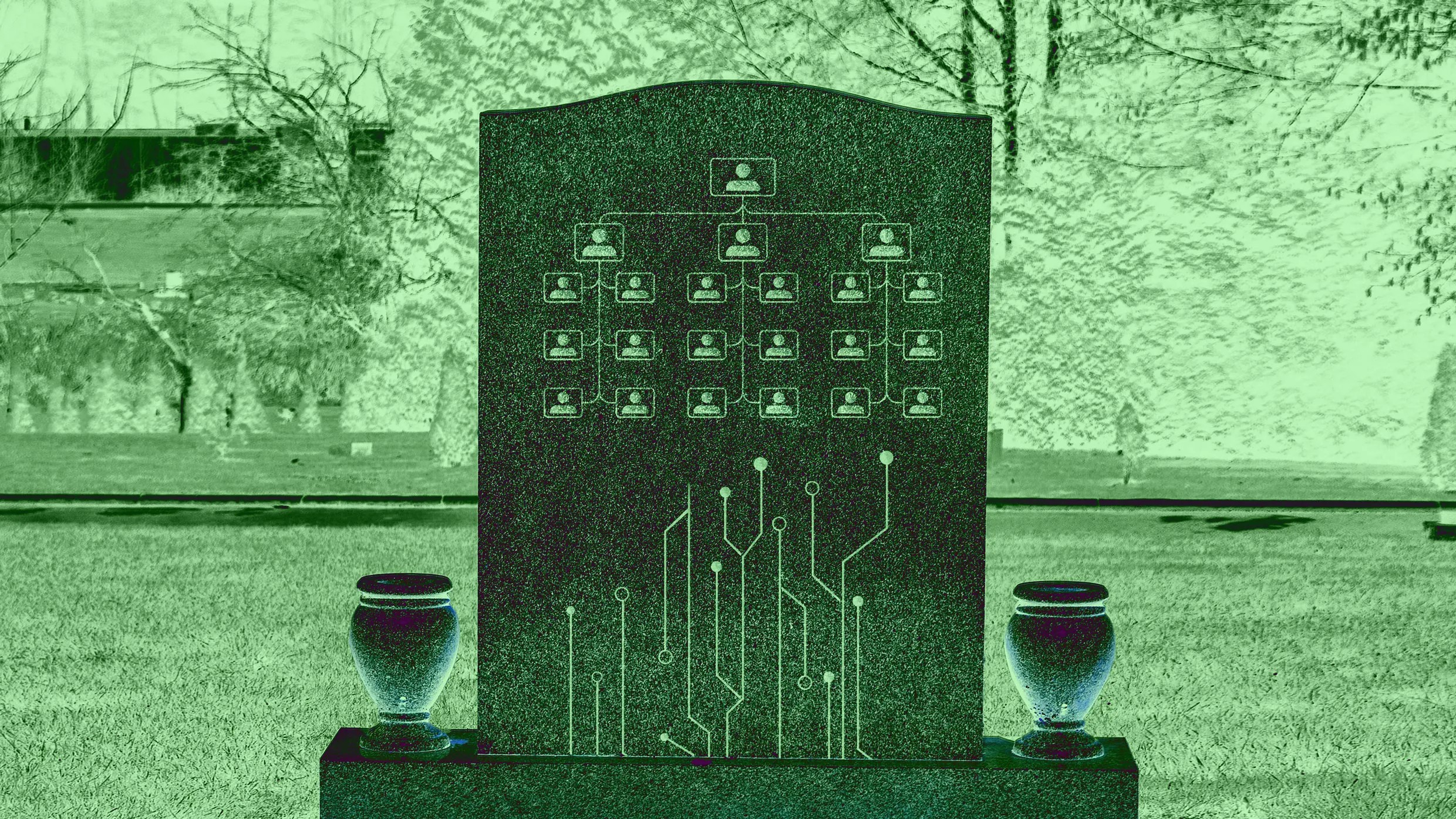
A significant change is happening in the corporate world with the concept of “unbossing.” Major companies are flattening their structures by reducing middle management. This shift aims to enhance speed and efficiency, especially as AI technology evolves. By 2026, a notable percentage of organizations are expected to use AI to eliminate many middle management roles. While this can lead to efficiency, it also poses risks of losing valuable knowledge and career paths if done carelessly. The focus should not just be on cutting roles but on redefining them to work alongside AI.
Key Insights
- Companies like Dell and Microsoft are adopting flatter structures to boost agility.
- AI is set to automate many management tasks, increasing efficiency but also requiring careful integration.
- Middle managers need to adapt, becoming orchestrators of AI-human collaboration, agents of change, and coaches for their teams.
- Organizations must strategically reskill managers, foster AI literacy, and redefine hiring criteria to align with the AI-driven landscape.
Why This Matters
This transformation is crucial for businesses to remain competitive in a rapidly changing environment. Embracing AI can lead to smarter, more efficient organizations. However, it is essential to approach this change thoughtfully, ensuring that human roles evolve rather than disappear. Companies that navigate this transition well will not only survive but also shape the future of work, balancing human insight with technological advancements.





