
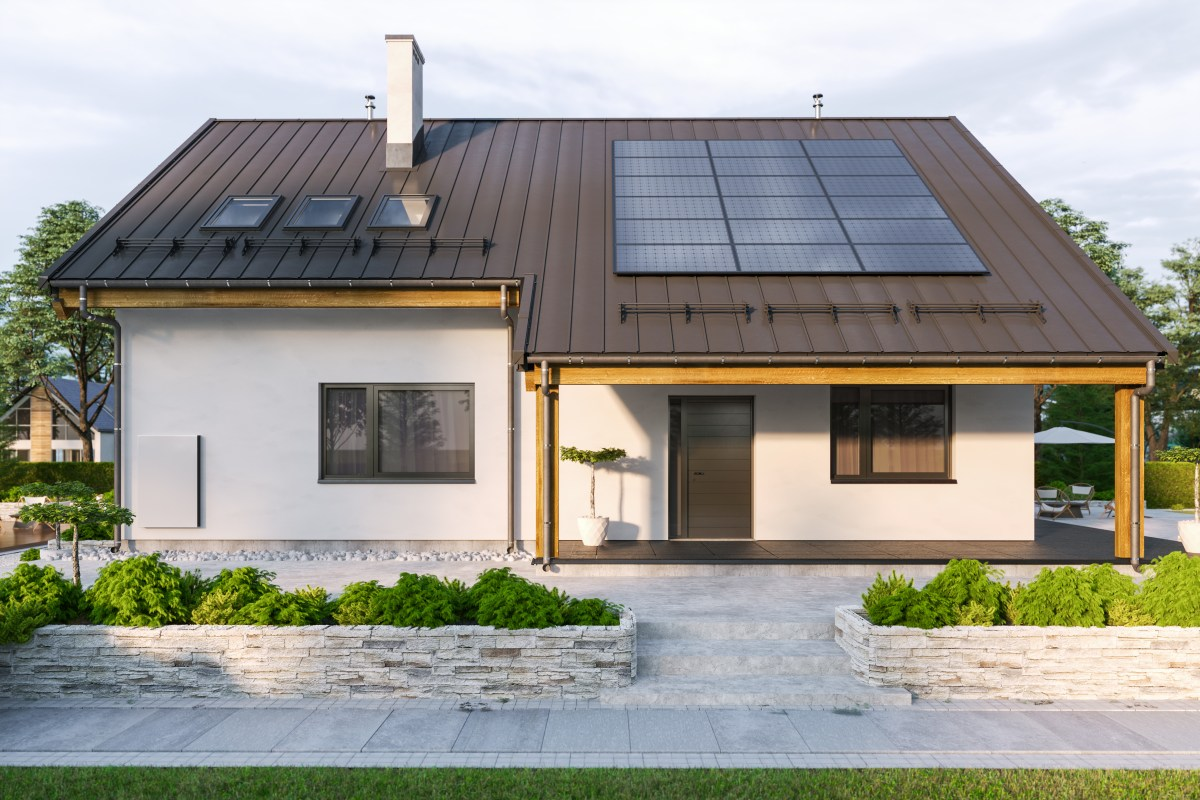
Understanding the Risks of Solar Inverters
Concerns are rising around the cybersecurity of solar inverters, essential devices that convert solar power for home use. A recent advisory from the U.S. Cybersecurity and Infrastructure Security Agency (CISA) revealed vulnerabilities in EG4 Electronics’ solar inverters, which could allow hackers to gain control of home energy systems. This situation highlights the growing complexity and interconnectivity of residential solar installations, which are becoming increasingly common in American homes. As more people adopt solar technology, understanding the risks associated with these systems is crucial.
Key Details
- CISA identified flaws in EG4’s inverters that could allow unauthorized access and data interception.
- Solar installations in the U.S. have surged, increasing the potential for cyberattacks.
- EG4’s CEO acknowledged industry-wide security issues, noting that many solar systems lack adequate protections.
- The vulnerabilities extend beyond EG4, raising concerns about the security of solar technology sourced from China, which dominates the market.
The Bigger Picture
As residential solar systems grow, so does the risk of cyber threats. The lack of strict regulations for smaller installations means that homeowners may be unaware of their systems’ vulnerabilities. The interconnected nature of these devices creates a potential entry point for malicious actors, posing risks not only to individual homes but also to the larger energy grid. This situation emphasizes the need for stronger cybersecurity measures in the renewable energy sector, as the rapid expansion of solar technology continues to reshape the energy landscape.





