
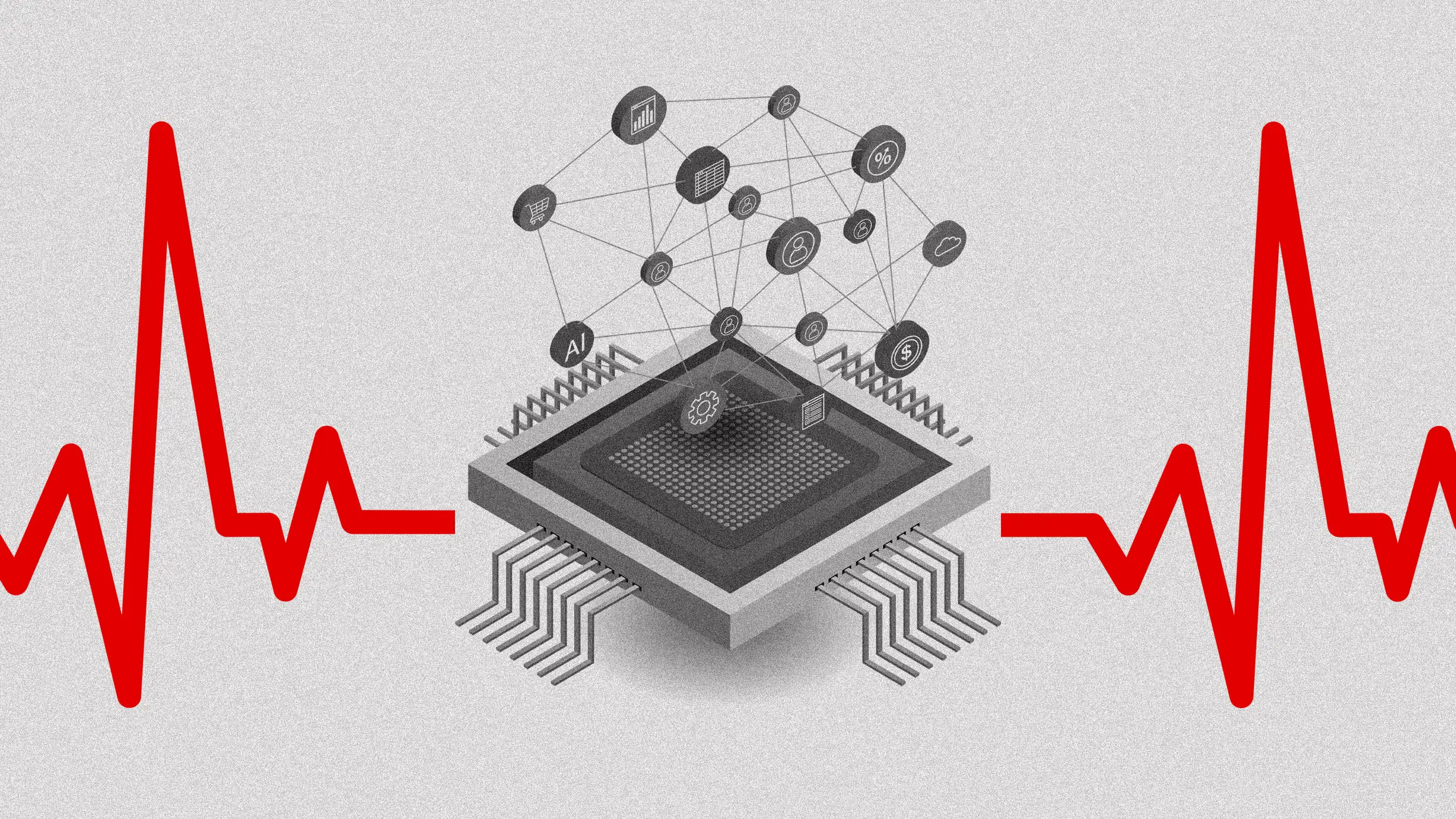
Overview of AI in Healthcare
Microsoft’s recent announcement highlights a significant advancement in artificial intelligence (AI) technology, showcasing its ability to outperform doctors in diagnosing diseases. This breakthrough signals a transformative moment in healthcare, where digital tools are becoming integral to medical practice. The AI model has been trained on extensive medical data, enabling it to identify patterns and diagnose conditions more accurately and quickly than traditional methods. This development is welcomed by healthcare professionals who see the potential for AI to enhance patient care, streamline processes, and reduce errors in diagnostics.
Key Details
- AI can analyze vast amounts of patient data, such as lab results and imaging, to detect diseases faster than human doctors.
- The technology has proven effective in identifying conditions like lung nodules and cardiac anomalies.
- Despite its advantages, many patients and doctors express concerns about trusting AI, highlighting the importance of human connection in healthcare.
- Transparency in AI decision-making is crucial for building trust among healthcare providers and patients, as many remain skeptical of AI’s reliability.
Significance of Trust in AI Integration
The integration of AI into healthcare must prioritize patient and physician trust. Patients desire human interaction and reassurance when receiving diagnoses, while doctors need to understand AI’s reasoning and context. Building AI systems in collaboration with healthcare professionals can foster trust and ensure these tools enhance patient care rather than replace the human element. The future of healthcare lies in a partnership between AI and doctors, where technology complements human expertise to create a more efficient, accessible, and trustworthy healthcare system.





