Understanding the Shift to Multi-Agent AI Systems
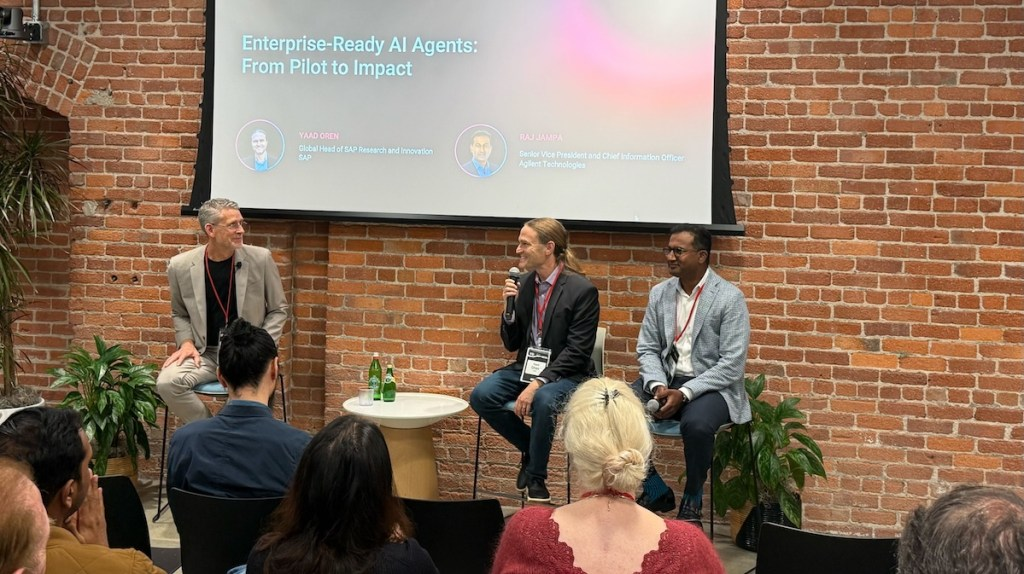
The focus is shifting from single AI copilots to networks of specialized agents that work together. This change aims to improve efficiency and effectiveness in various sectors. The discussion centers around how to deploy and manage these systems while adhering to cost, latency, and compliance requirements. Industry leaders from SAP and Agilent emphasize the importance of safe scaling, monitoring, and governance in AI deployment. They share insights on how to integrate AI into existing operations and address vulnerabilities as they arise.
Key Insights and Strategies
- Agilent is integrating AI across its organization, focusing on product innovation, customer value, and internal efficiency.
- A governance framework is crucial for maintaining compliance and security while allowing for flexibility in AI operations.
- Integration challenges persist, particularly with legacy systems, making cloud solutions vital for successful AI deployments.
- The Business Data Cloud by SAP provides a unified data platform that enhances agent connectivity and business process automation.
The Bigger Picture of AI Integration
The evolution toward multi-agent systems represents a significant shift in how businesses operate. As AI agents become more integrated into enterprise functions, monitoring and governance become essential. The need for secure, organized data and robust privacy measures will grow as AI systems become more complex. These developments signal a future where human and AI collaboration is standard, highlighting the importance of identity management and continuous improvement in AI systems. The goal is to create a seamless blend of human and AI capabilities that drive innovation and efficiency.