Understanding the Shift in Military Command
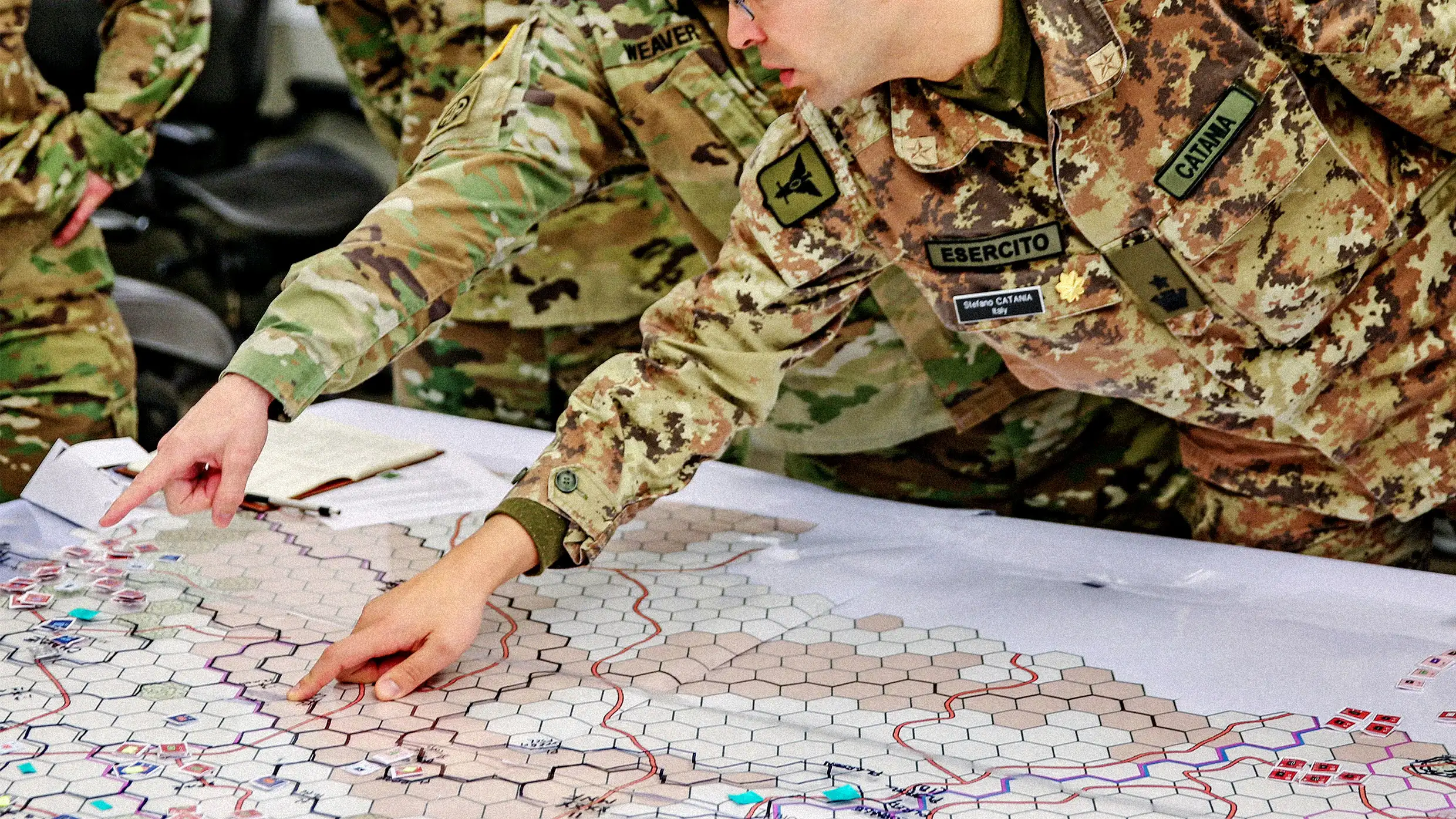
Modern military structures still resemble those from Napoleon’s era, despite advancements over the last two centuries. As warfare evolves to include air, space, and information domains, military organizations face challenges in adapting. The size of military headquarters has increased, creating coordination issues that may jeopardize mission command. AI agents, powered by large language models, offer a solution. They can automate routine tasks, speed up decision-making, and enhance the efficiency of command posts, allowing for smaller, more agile teams.
Key Insights on AI Integration in Military Operations
- AI agents can automate intelligence fusion, threat modeling, and decision cycles.
- Experiments show that AI can accelerate planning processes and generate innovative options.
- The Adaptive Staff Model, which incorporates continuous human-machine feedback, has proven effective in military planning.
- Risks include potential biases in AI and the need for users to maintain critical thinking skills, as AI cannot replace human judgment.
The Importance of Embracing AI in Military Strategy
Adopting AI agents in military command structures is essential for modern warfare. The military must invest in computational resources, enhance cybersecurity, and revamp officer education to incorporate AI knowledge. Without these changes, military operations may remain outdated, relying on traditional methods that cannot address contemporary challenges. Embracing AI offers the potential for a more effective and responsive military, capable of navigating the complexities of modern conflict.