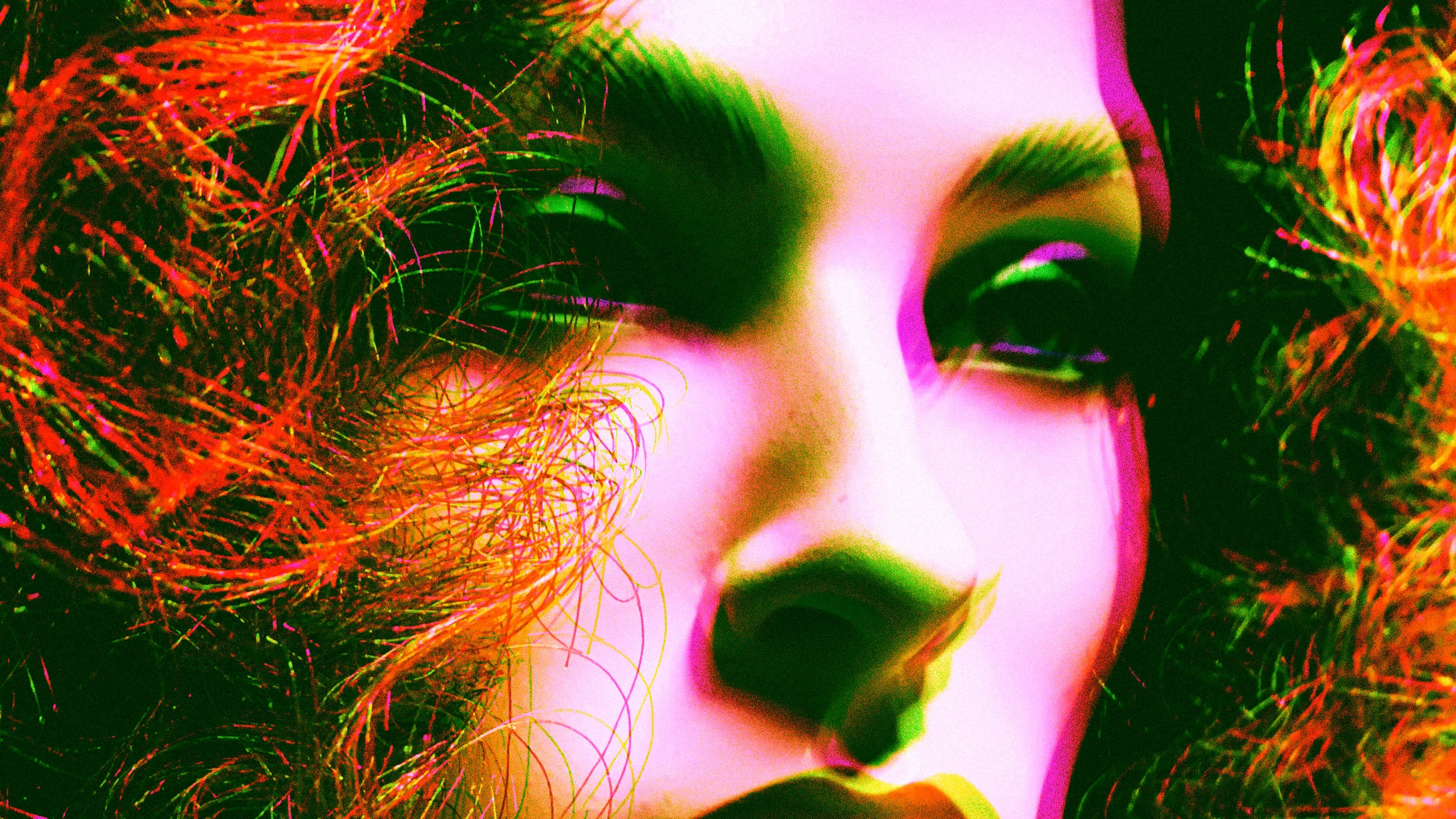
Exploring the New Frontier of AI in Art
AI-generated art is changing the landscape of creativity. A recent advertisement by Guess in Vogue features a model that doesn’t exist—she’s entirely AI-created. This innovation has sparked a debate about the implications for the fashion industry and art as a whole. Critics argue that such advancements undermine diversity and authenticity in representation. The controversy highlights the growing concern over how AI influences our perception of beauty and art.
Key Insights on AI’s Impact
- AI can create hyperrealistic images and music that often fool viewers and listeners.
- The sophistication of AI has allowed it to overcome the uncanny valley, making creations feel more human-like.
- AI-generated works lack the “aura” associated with traditional art, which is rooted in history and human experience.
- This raises questions about the value of art—should we prefer art created by machines or that which carries human imperfections?
The Bigger Picture: Art’s Essence in a Digital Age
The rise of AI in art poses significant questions about the essence of creativity. If a machine can evoke emotions through its creations, does the lack of human experience diminish the art’s value? As AI continues to blur the lines between human and machine-made art, society must grapple with what it truly values in creative expression. This evolution challenges us to consider whether we desire perfection devoid of human connection or the rich, meaningful imperfections that come from human creativity.