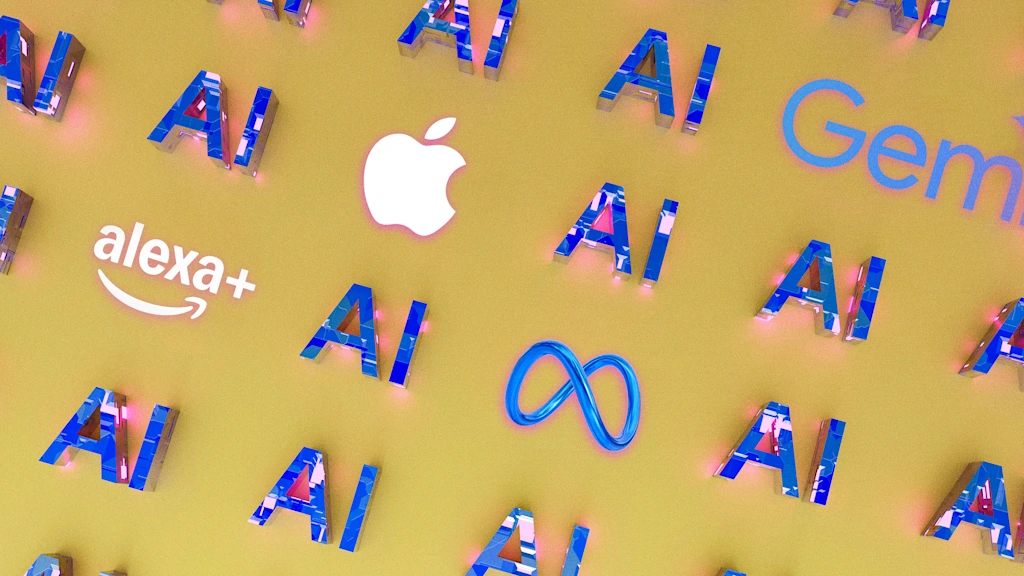
Understanding the Shift in AI Assistants
AI assistants are rapidly changing how we interact with technology. A decade ago, the competition was about which app would capture our attention. Now, the focus has shifted to who controls the interface through which we engage with our devices. Major companies are developing distinct strategies for their AI assistants, each with unique incentives and visions for the future.
Key Points to Consider
- Apple is integrating privacy features directly into devices, emphasizing on-device processing and secure cloud computing.
- Amazon is promoting Alexa+, a premium assistant designed for more complex tasks.
- Meta is offering personalized AI experiences, focusing on high-context, tailored interactions.
- Two classes of AI users are emerging: Class A users, who can customize their assistants, and Class B users, who rely on default options from major platforms.
The Importance of AI Assistant Choices
The way we choose and use AI assistants will have significant implications for our privacy and autonomy. As these assistants become more integrated into our daily lives, the decisions made by their developers will shape our experiences and the information we receive. Users need to be aware of the trade-offs involved, especially regarding data privacy and the motivations behind their chosen platform. With increasing reliance on AI, understanding the implications of these choices is crucial for maintaining control over our digital lives.