Understanding the Chaos
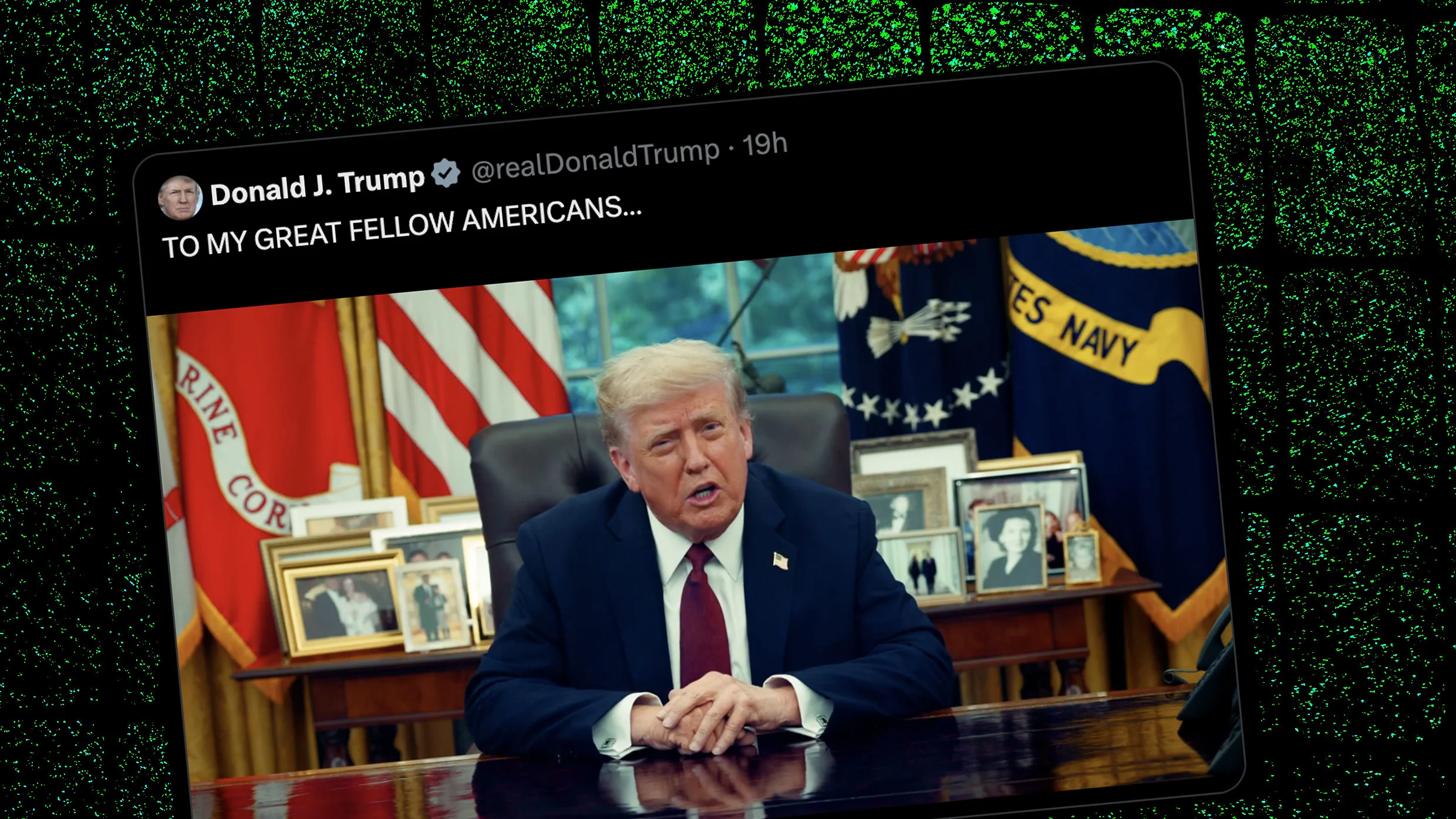
The assassination of Charlie Kirk in Orem, Utah, has sparked a wave of misinformation, revealing how deeply divided our society has become. The incident highlights the impact of social media and the rise of artificial intelligence on public perception. A seemingly minor detail, Donald Trump’s pinky finger in a mourning video, has become a focal point for conspiracy theories, showcasing how far misinformation can spread.
Key Points to Note
- The focus on Trump’s pinky finger stems from claims that the video was manipulated by AI.
- Observers noted that the pinky appeared to merge with other fingers, leading to speculation about authenticity.
- The reality is that video compression and color tinting can create visual distortions, not necessarily indicating tampering.
- The rise of generative AI tools has made it easier for people to doubt real footage, contributing to a culture of skepticism.
The Bigger Picture
This situation matters because it reflects a deeper issue in our society: trust in media and information is eroding. As generative AI tools become more sophisticated, distinguishing between real and fake content becomes increasingly difficult. This uncertainty can lead to a breakdown in public discourse, where even verified information is questioned. The implications are profound, as they challenge our ability to engage in informed discussions and make decisions based on reliable evidence. It is crucial to recognize the risks posed by misinformation and the technology that fuels it, as it endangers our collective understanding of reality.