
Understanding the Innovation
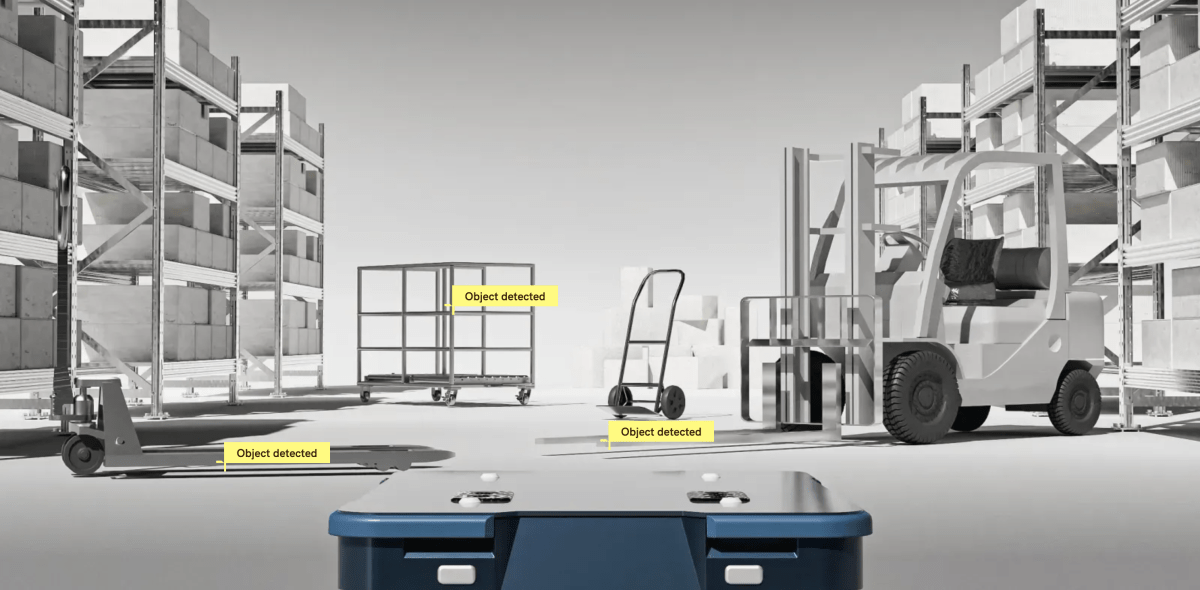
Sonair is transforming robot safety with its new ADAR (acoustic detection and ranging) sensor. This technology uses high-frequency sound waves to create a detailed three-dimensional view of a robot’s surroundings. Unlike traditional LIDAR systems that rely on light, Sonair’s sensors provide a more comprehensive environmental understanding by capturing sound echoes. This innovation is crucial as robots increasingly operate in human environments, where safety is paramount.
Key Features of Sonair’s Technology
- The sensors work by emitting ultrasound waves and analyzing the returning echoes, enhancing depth perception.
- They complement existing sensors and cameras, offering a clearer picture of the environment.
- The output format is standardized, ensuring compatibility with various robotic systems.
- Demand is growing from both the robotics sector and industrial safety applications, highlighting its versatility.
Significance in the Robotics Landscape
The rise of robots in everyday spaces raises safety concerns, similar to those faced by the self-driving car industry. As robots interact more with humans, ensuring their safe operation becomes critical. Sonair’s technology addresses these needs, potentially setting a new standard in robotic safety. With a recent funding round of $6 million, the company aims to expand its reach and influence in the market. The absence of direct competition currently indicates a unique opportunity for Sonair to lead in this essential area of robotics.





