
Understanding the Innovation
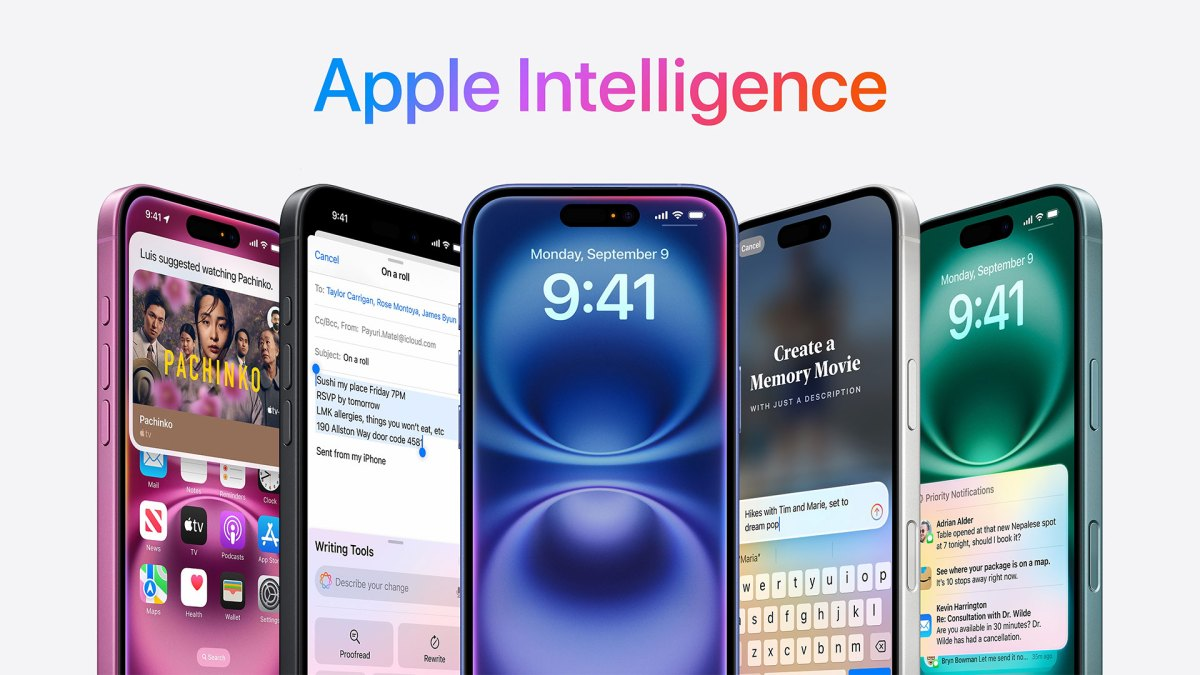
Apple’s Foundation Models framework, introduced at WWDC 2025, enables developers to integrate local AI models into their applications. This new feature allows for advanced functionalities without incurring inference costs. As iOS 26 rolls out, many apps are being updated to leverage these local AI capabilities, enhancing user experiences without overhauling existing workflows. The models may be smaller than those from major competitors like OpenAI and Google, but they significantly improve app usability and engagement.
Key Features and Applications
- Lil Artist app now includes an AI story creator that generates tales based on user-selected themes and characters.
- Daylish is developing a feature to automatically suggest emojis for daily planner events.
- MoneyCoach offers insights on spending patterns and suggests categories for expenses.
- LookUp has introduced new learning modes to help users understand word usage through examples.
- Tasks app can now suggest tags and detect recurring tasks using local AI models.
- Day One journaling app generates prompts and suggests titles based on user entries.
- Crouton recipe app breaks down cooking steps and suggests tags for recipes.
- Dark Noise allows users to describe soundscapes and generate customized audio experiences.
Why This is Important
The integration of local AI models marks a significant step in enhancing app functionality and user engagement. By providing developers with tools that are cost-effective and efficient, Apple is setting a new standard in app development. This shift not only benefits developers but also enriches user experiences, making apps more intuitive and responsive. As more applications adopt these features, the potential for innovation in mobile technology expands, paving the way for smarter, more personalized interactions.





