Understanding the Skepticism
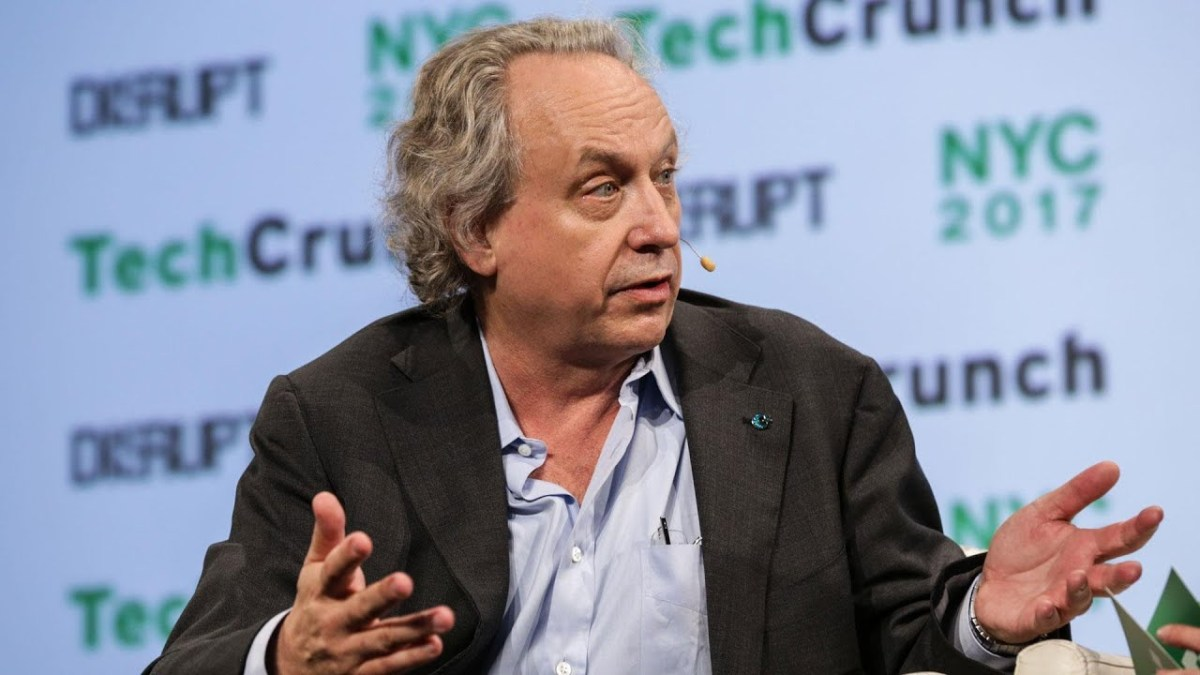
Rodney Brooks, a prominent roboticist and co-founder of iRobot, warns investors about the billions flowing into humanoid robot startups. He believes that the current methods of teaching robots to perform tasks are not practical. Companies like Tesla and Figure are attempting to train robots by showing them videos of humans, which Brooks labels as unrealistic. He emphasizes that human dexterity relies on advanced touch receptors that robots lack.
Key Insights
- Human hands have around 17,000 specialized touch receptors, far beyond what robots can replicate.
- Current humanoid robots consume a lot of energy to maintain balance, making them potentially dangerous if they fall.
- Brooks predicts that future successful robots will not resemble humans but will instead have wheels and specialized sensors.
- He argues that the investments pouring into humanoid robots are funding experiments unlikely to lead to mass production.
The Bigger Picture
Brooks’ insights highlight the gap between investor expectations and technological realities in robotics. As companies chase the allure of humanoid robots, they may overlook more practical designs that could be more effective. His perspective urges investors to reconsider where they allocate their funds, focusing on realistic advancements rather than ambitious fantasies. This could reshape the future of robotics towards more functional and safer designs, ultimately benefiting industries that rely on automation and robotics.