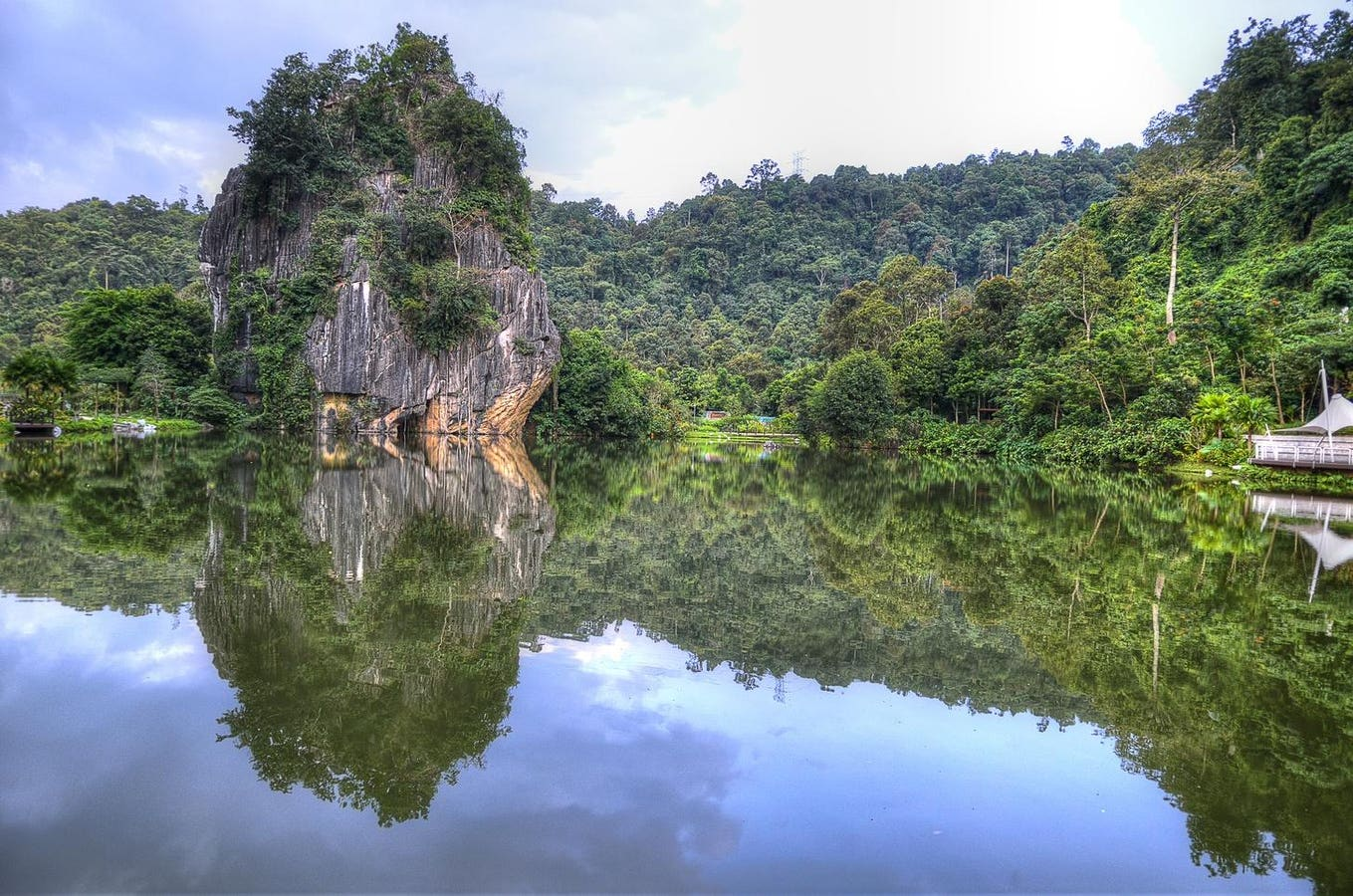
The Essence of Transformation
Tasik Cermin, or Mirror Lake, located in Ipoh, Malaysia, serves as an inspiring example of how spaces can reflect and influence our relationship with technology and the environment. This lake symbolizes a journey of transformation that mirrors society’s evolving connection with planetary health and artificial intelligence (AI). The narrative of Tasik Cermin unfolds through four phases: hidden, haunted, healed, and healing, illustrating how environments can shift from being neglected to celebrated. This transformation aligns closely with the principles of prosocial AI, which aims to enhance human and ecological well-being rather than exploit resources.
Key Insights
- Tasik Cermin was once an unknown site, reflecting the hidden potential of regenerative solutions.
- Initially feared due to local myths, it symbolizes the anxieties surrounding disruptive technologies like AI.
- Recognition of the lake’s beauty led to a shift from fear to stewardship, echoing a transition in AI from extraction to regeneration.
- Ipoh is pioneering the Doughnut Economics model, emphasizing social well-being and ecological balance, showcasing a collaborative approach to regeneration.
Importance of Regenerative Thinking
The journey of Tasik Cermin highlights the potential for renewal, both in nature and technology. As cities like Ipoh adopt innovative economic models, they set an example for others to follow. The evolution of AI towards a regenerative framework can transform it from a tool of exploitation into one of healing and social cohesion. By embracing the 4H transformation model, communities can foster a culture of care and sustainability, ultimately contributing to a healthier planet. This shift is essential for making planetary health a tangible reality rather than a distant aspiration.