Understanding the Shift in Transportation
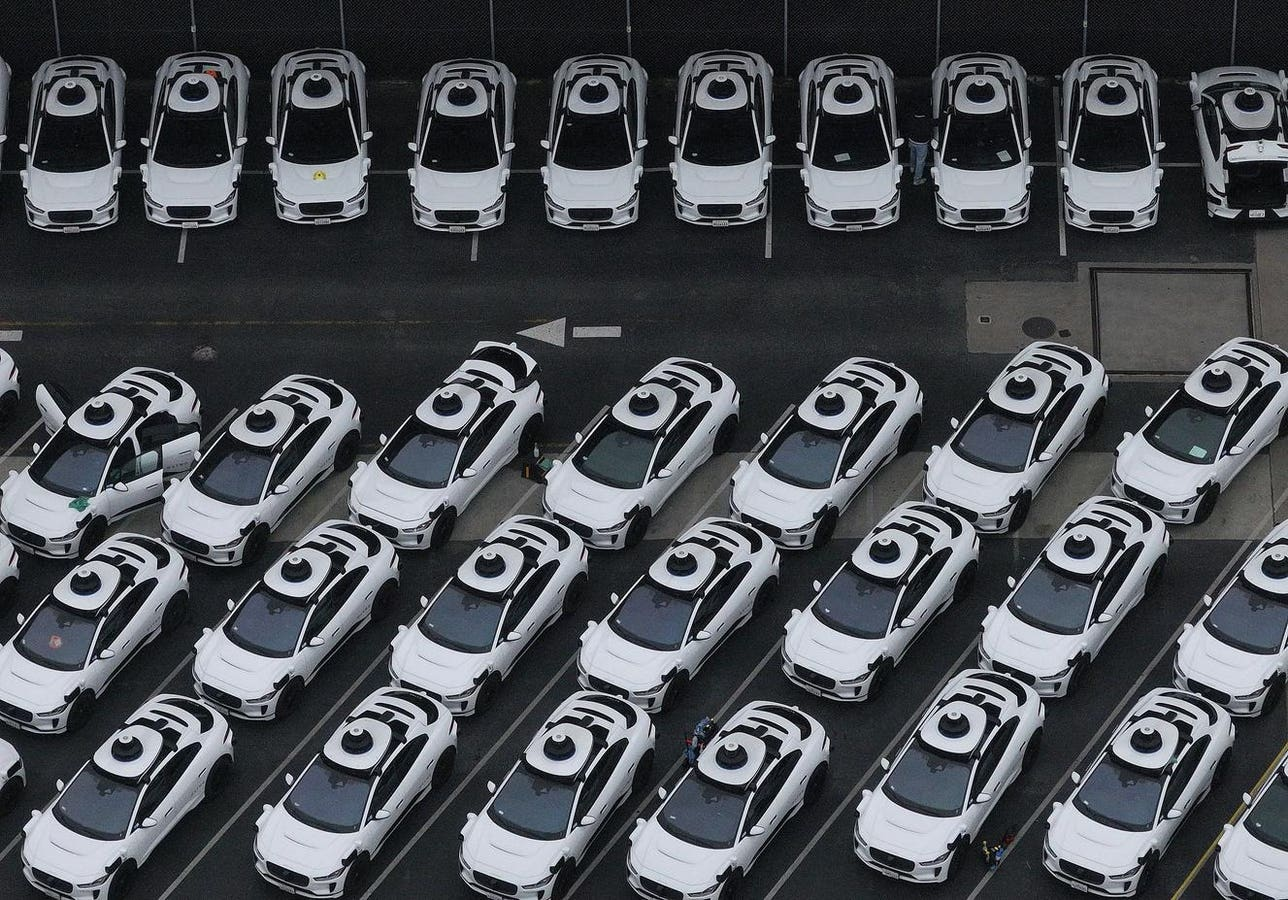
The landscape of transportation is on the brink of transformation, particularly with the rise of self-driving vehicles. While many American cities have yet to see widespread adoption, Waymo, a leader in autonomous technology, is preparing to change that. With advancements in AI and a robust testing program, Waymo is set to roll out self-driving services in multiple cities soon.
Key Highlights
- Waymo has completed over 71 million miles of autonomous driving, yielding significant safety improvements, including 88% fewer serious injuries compared to human drivers.
- The company is currently conducting around 250,000 paid rides weekly, with plans to expand to cities like San Francisco, Phoenix, and Miami.
- The technology behind Waymo’s self-driving cars integrates advanced AI that combines visual data interpretation, planning, and reasoning.
- Challenges remain, such as ensuring the system can handle unexpected situations and maintaining accuracy in real-world conditions.
The Bigger Picture
The introduction of self-driving vehicles could revolutionize urban mobility, offering safer and more efficient transportation options. As Waymo prepares to deploy its services, the implications extend beyond convenience. This shift could disrupt traditional ride-sharing models and alter the job landscape for drivers. The ongoing advancements in AI and autonomous technology could lead to a significant reduction in traffic accidents and improve overall public safety. The future of transportation is not just about technology; it’s about reshaping how society interacts with mobility.