
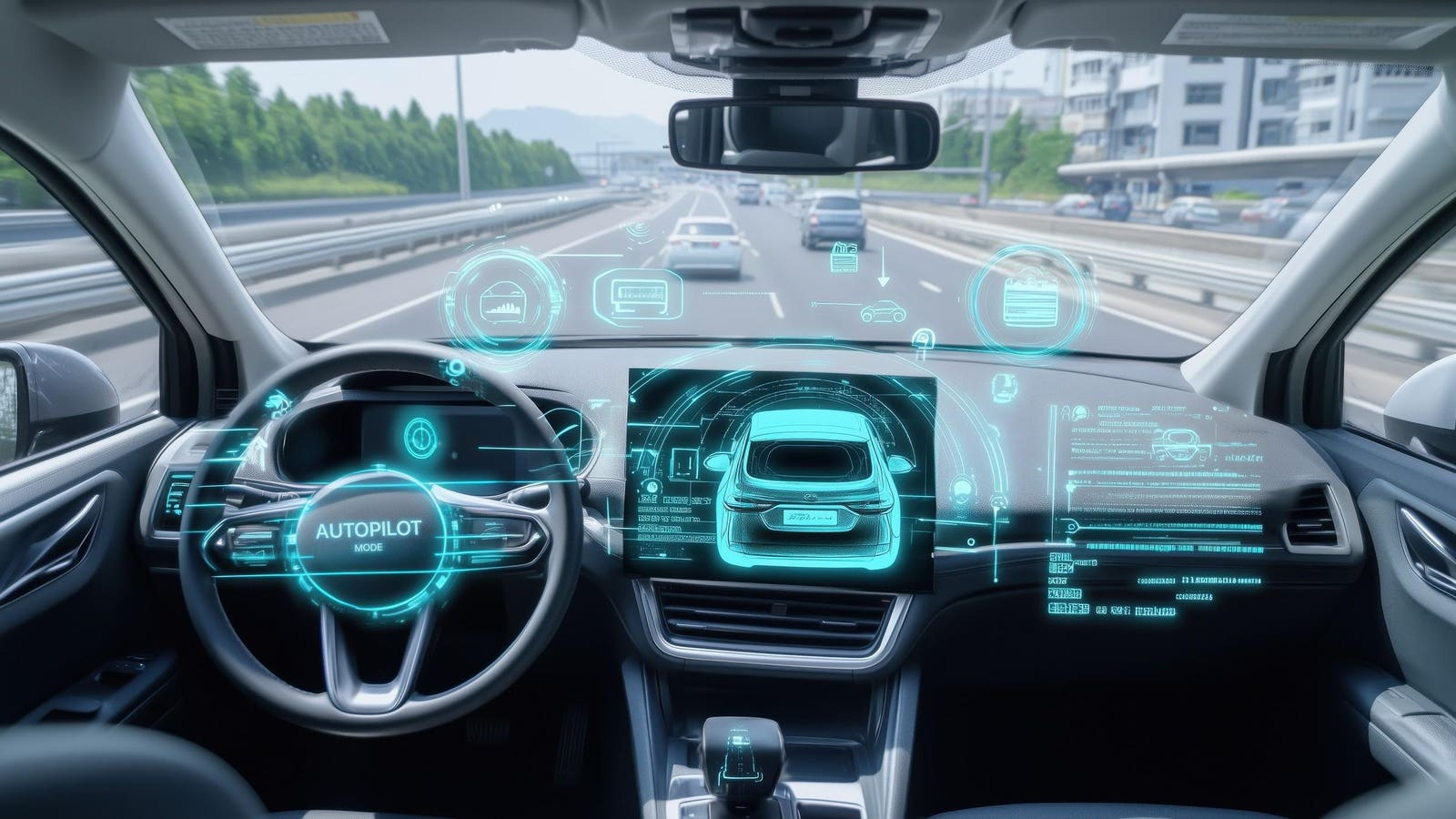
Understanding the Current Landscape
Self-driving cars promise to change transportation forever, but they are not fully realized yet. Despite the excitement, achieving full autonomy, known as level 5, is still a distant goal. Progress has been made, particularly with robotaxi services in cities like Phoenix and San Francisco. Companies like Waymo and WeRide are leading the way, offering autonomous rides and expanding their fleets. However, private vehicles still face significant hurdles, with no approvals for full autonomy in the US or elsewhere.
Key Highlights
- Robotaxis are operational in select cities, providing thousands of rides weekly.
- Level 3 autonomy has been approved for some vehicles, allowing limited hands-free driving.
- Safety concerns and regulatory challenges impede wider adoption of autonomous vehicles.
- Public trust remains low, with only 13% of Americans ready to ride in self-driving cars.
The Bigger Picture
The journey toward self-driving cars is complex, with technology, regulations, and societal acceptance all playing crucial roles. While robotaxis and semi-autonomous features are becoming commonplace, the dream of completely autonomous vehicles is still far from reality. Progress is being made, but it will take time for public trust and technology to align. The outcome will depend on collaboration among automakers, tech developers, regulators, and the public. A gradual shift is likely, particularly in tech-savvy urban areas, but the path to full autonomy remains challenging.





