
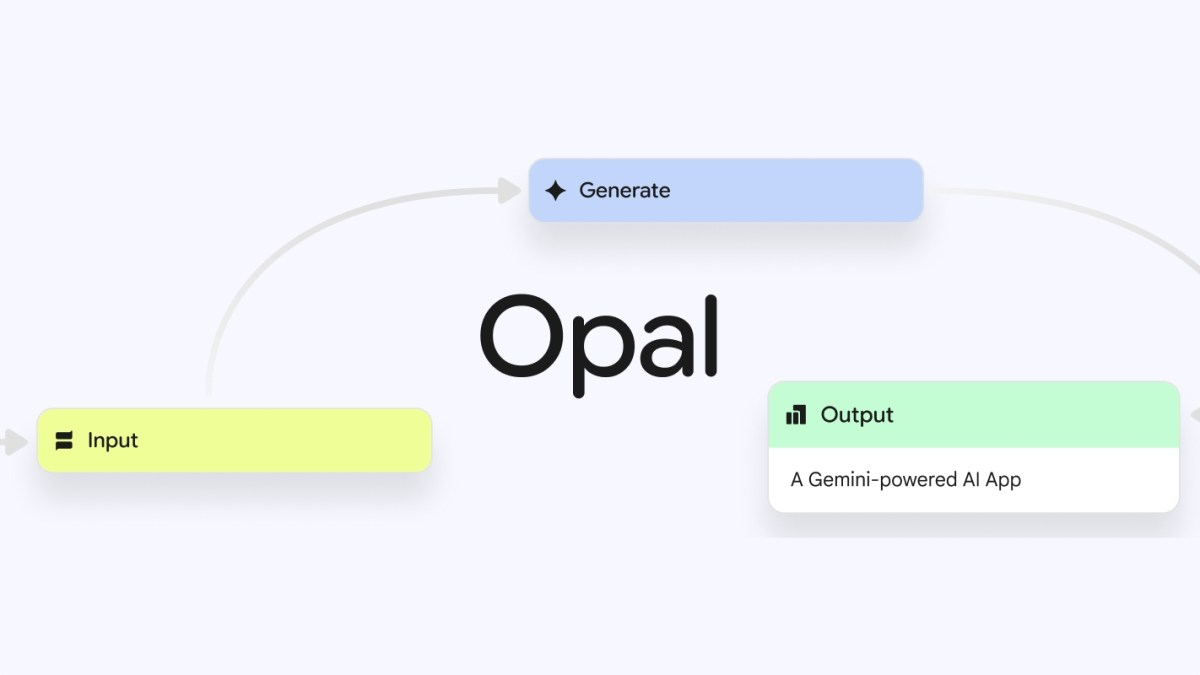
Overview of Opal’s Expansion
Google is broadening the reach of its AI-powered app development tool, Opal, to 15 additional countries. This expansion includes nations like Canada, India, Japan, and Brazil. Opal allows users to create mini web applications simply by providing text prompts. The response from initial users in the U.S. was unexpectedly positive, showcasing their creativity and practical application of the tool. This prompted Google to make Opal available to a wider audience.
Key Features and Improvements
- Opal allows users to describe the app they want, which the tool then builds using Google models.
- Users can customize their apps through a visual editor, making it easy to tweak inputs and outputs.
- Google has enhanced the debugging process while keeping it no-code, allowing users to see errors in context.
- Performance upgrades mean that creating new Opal apps is now faster, with the ability to run steps in parallel for complex workflows.
Importance of Opal’s Launch
This expansion of Opal is significant as it reflects a growing trend in technology. More tools are emerging that enable non-technical users to create applications without coding skills. This democratization of app development is vital in fostering innovation and creativity across various sectors and regions. By making Opal accessible globally, Google is positioning itself as a key player in this evolving landscape, competing with other platforms like Canva and Figma.





