Understanding the Breakthrough
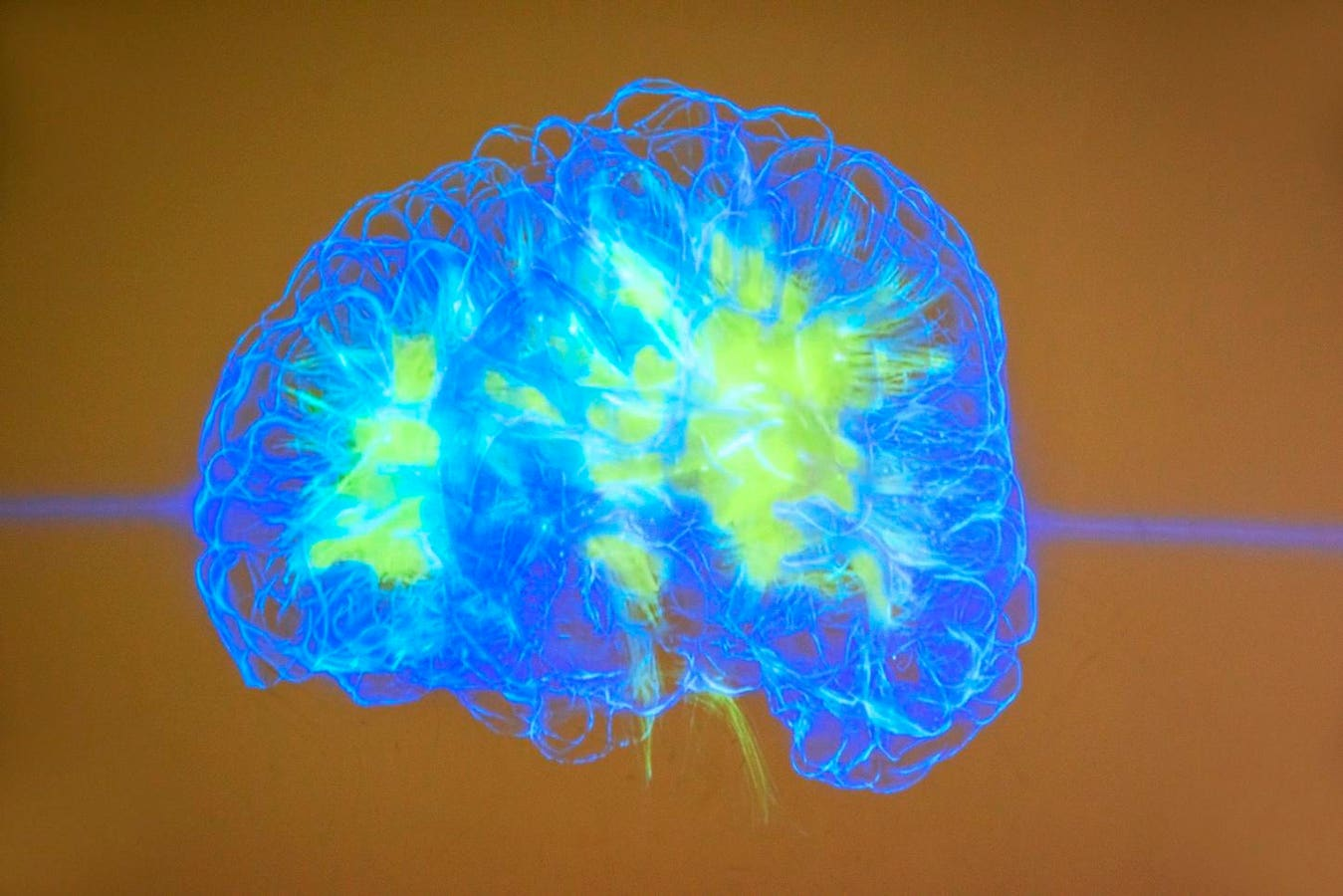
Pathway, a startup from Palo Alto, has developed a new AI model called Baby Dragon Hatchling (BDH). This model aims to mimic the human brain’s ability to learn and adapt over time, rather than just processing information statically like current AI systems. BDH represents a significant step forward in creating artificial intelligence that evolves and improves continuously, much like human intelligence.
Key Features of BDH
- BDH uses a principle known as Hebbian learning, which states that neurons that activate together strengthen their connections.
- The model features sparse activations, making it easier to interpret which neurons correspond to specific concepts.
- Pathway claims its architecture allows for ongoing learning without the need for periodic retraining, making it more efficient than traditional models.
- The startup has already secured $10 million in funding and has practical applications in organizations like NATO and La Poste.
Implications for the Future
The development of BDH could change the landscape of AI technology. By enabling continuous learning, it may reduce the high costs associated with retraining large models. Moreover, BDH’s architecture could lead to faster and more sustainable AI systems. However, experts express caution, noting that while BDH shows promise, it still faces challenges in scaling and ensuring explainability. The potential for BDH to evolve and adapt suggests a future where AI systems can operate more autonomously, but it also raises concerns about control and safety.