
Understanding the Controversy
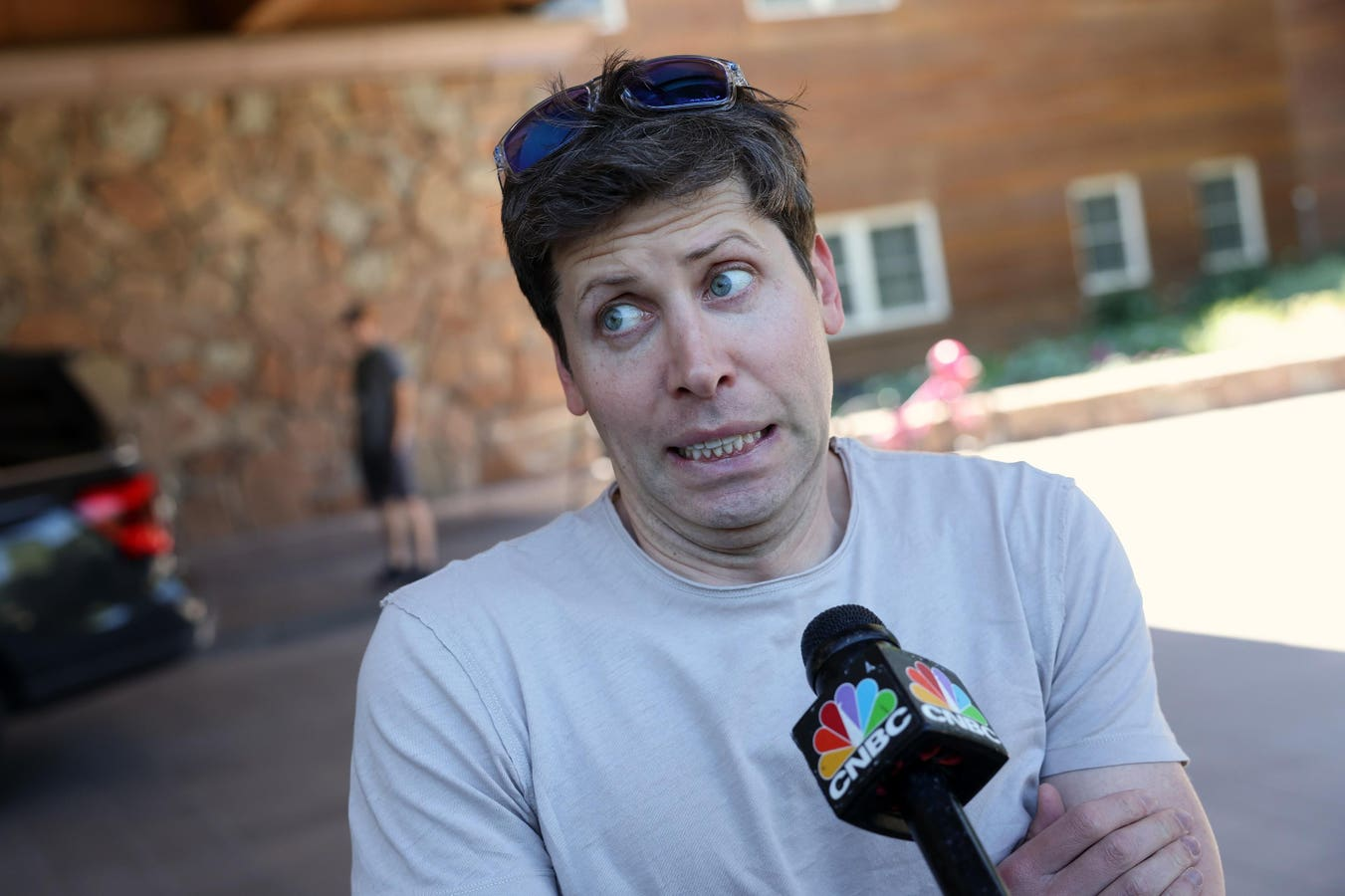
OpenAI’s recent decision to allow its text-to-video AI model, Sora, to train on copyrighted content by default has sparked significant backlash. This approach, where rights holders must opt out to protect their work, marks a departure from traditional copyright norms. Within hours of the announcement, users began creating videos featuring well-known copyrighted characters, leading to immediate concerns from creators and legal experts. Sam Altman, CEO of OpenAI, quickly acknowledged the backlash and promised to reassess the policy, highlighting the growing tension between generative AI and copyright laws.
Key Details
- The music industry faces similar challenges, as AI systems continually analyze millions of songs for learning purposes.
- Traditional copyright enforcement struggles to keep pace with the rapid growth of AI-generated content, leaving creators vulnerable.
- Companies like SoundPatrol are developing neural detection systems to identify derivative works and AI-generated content, aiming to prevent copyright infringement before it occurs.
- Legal actions against AI music generators, like Suno and Udio, emphasize the need for real-time detection solutions to address both infringement and provenance issues.
The Bigger Picture
The shift towards an opt-out model raises critical questions about consent and protection in the digital age. As generative AI becomes more prevalent, the need for robust detection systems that prioritize transparency and fairness is paramount. If the infrastructure being built does not adequately protect creators, the next generation of musicians may find themselves not only competing with AI but also struggling to safeguard their own work against it. The ongoing development of neural fingerprinting technology represents an essential step in creating a more equitable creative landscape where both human and machine-generated content can coexist while respecting intellectual property rights.





