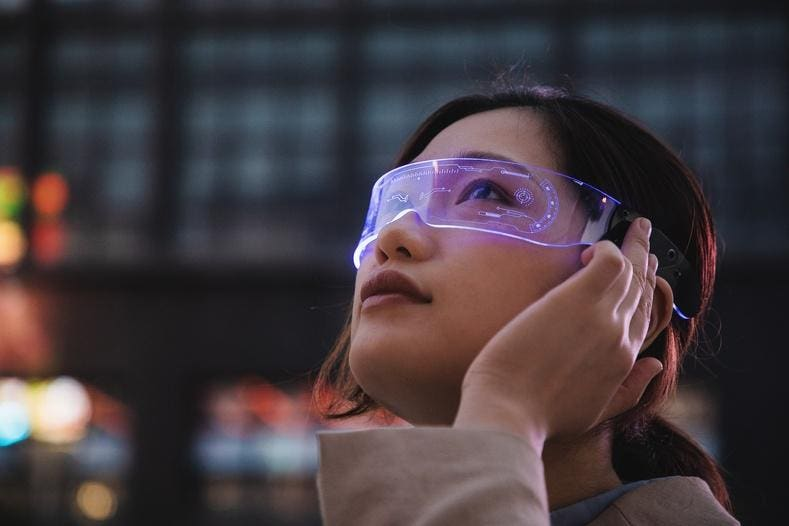
Exploring the New Frontier of Smart Glasses
Innovative smart glasses are changing how we interact with the world around us. Unlike traditional eyewear, these devices integrate advanced technology, including augmented reality (AR) and multimodal AI. Companies like Meta, with its Ray-Ban spectacles, are leading this evolution. The potential for these glasses extends beyond simple vision correction, promising a future where digital information seamlessly merges with our physical environment.
Key Highlights of Smart Glasses Development
- Meta’s Ray-Ban glasses have sold around two million pairs, with a goal of ten million by 2026.
- Competing brands include Vue Lite 2, XREAL One, and Epson Moverio, but Meta remains the most recognized.
- Neal Stephenson, a notable figure in tech and literature, has collaborated on AR projects, including Magic Leap, to create immersive experiences.
- New blockchain initiatives like Lamina 1 aim to support creators in the metaverse, potentially allowing for micro-royalties and ownership verification through smart contracts.
Significance of Smart Glasses in the Tech Landscape
The rise of smart glasses signals a shift in how we engage with technology and our surroundings. They promise to enhance our reality by providing access to digital content without the limitations of smartphones. As AR technology matures, it could redefine creative industries and everyday experiences. The integration of blockchain in this space could also empower creators, ensuring they receive fair compensation for their work. This evolution may lead to a future where smart glasses become the primary interface for interacting with digital content, making them a crucial development in the tech world.