Understanding the Issue
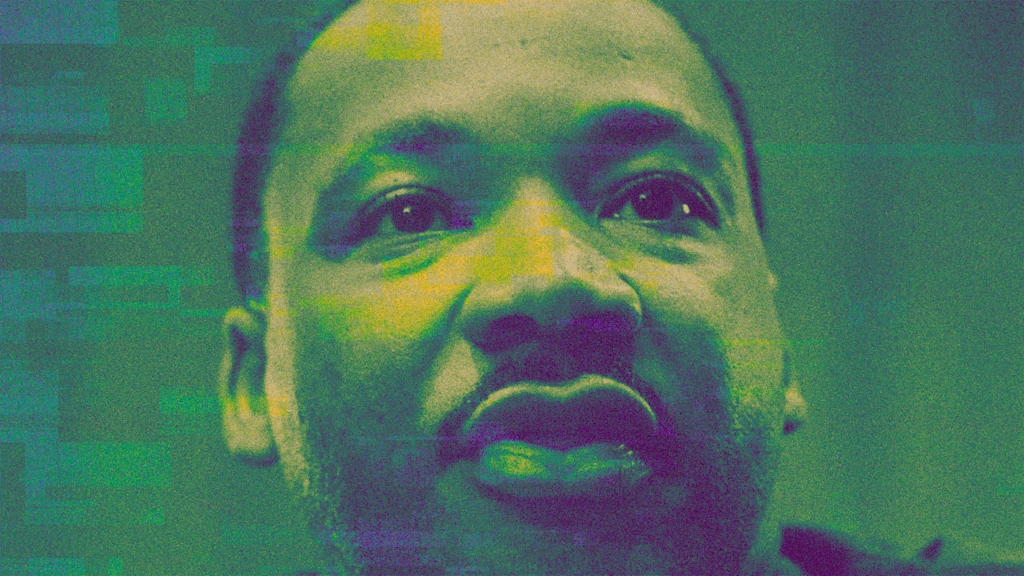
OpenAI’s recent release of its video generation model, Sora 2, has sparked a significant controversy regarding the use of Martin Luther King Jr.’s likeness. His family has criticized the AI-generated videos for being disrespectful to his legacy. In these videos, King is depicted in ways that distort his famous speeches and message, leading to public outrage and a call for better control over how historical figures are represented by AI technologies. The situation raises important questions about intellectual property rights and the ethical implications of using someone’s image without consent.
Key Points
- OpenAI has acknowledged the concerns raised by King’s family and stated that public figures should have control over how their likeness is used.
- However, the current policy only allows representatives of deceased individuals to request that their likeness not be used, which many see as inadequate.
- Critics argue that relying on an opt-out system places an unreasonable burden on individuals and families to protect their images from misuse.
- The Japanese government has also intervened, urging OpenAI to respect the intellectual property rights of its citizens.
The Bigger Picture
This controversy highlights the need for clearer regulations regarding AI-generated content and the representation of public figures. As technology advances, ensuring ethical standards in AI usage becomes crucial. The debate around King’s image illustrates broader concerns about digital sovereignty and the dignity of individuals in the face of rapidly evolving AI capabilities. Experts suggest that a new framework is necessary to protect the rights of individuals, particularly those who have made significant contributions to society. The ongoing discussion emphasizes the importance of balancing innovation with respect for personal legacy and identity.