Understanding the Shift
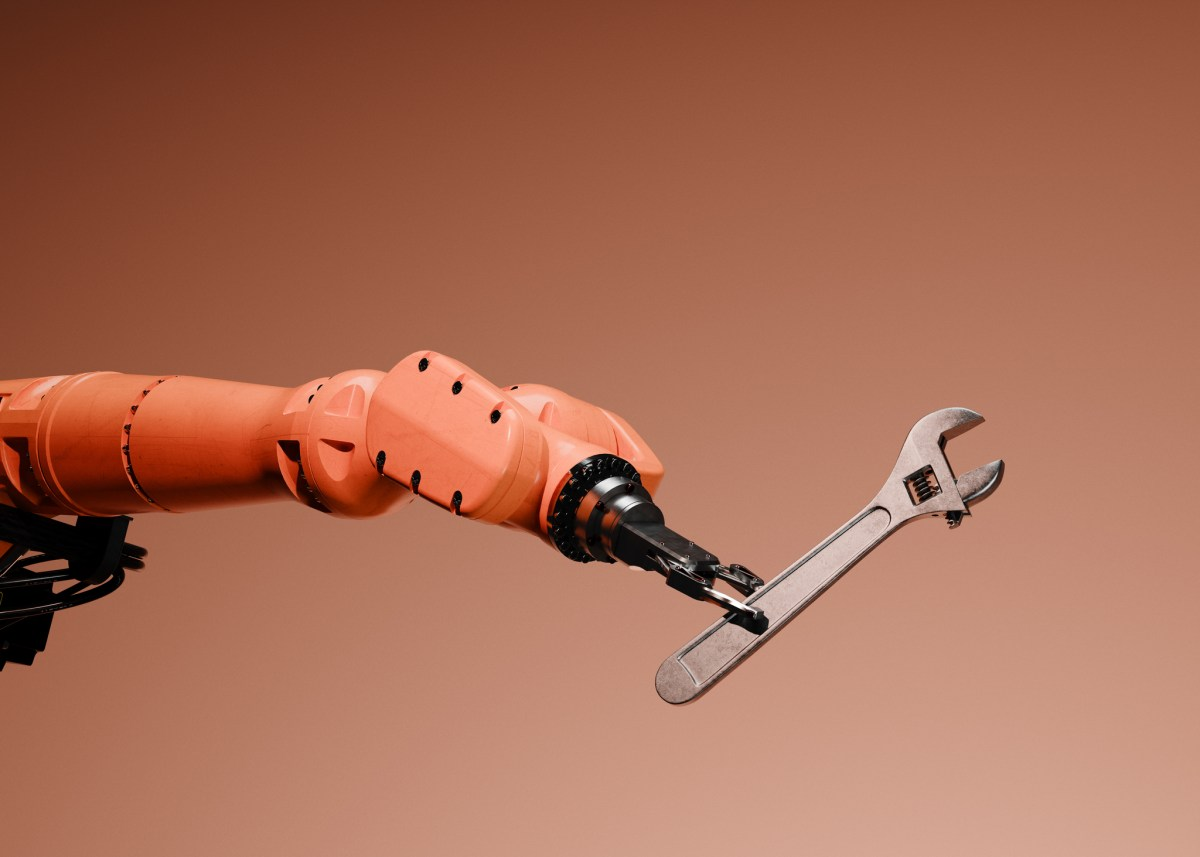
Artificial intelligence is transforming the job landscape, especially in blue-collar sectors. While many fear that AI will take away entry-level jobs in white-collar fields, it is simultaneously creating new opportunities for blue-collar workers. Young people are increasingly drawn to hands-on roles, recognizing the benefits of AI tools in enhancing their skills and job stability. As automation changes the nature of work, the divide between blue- and white-collar roles is beginning to blur.
Key Insights
- AI is empowering blue-collar workers by providing tools for faster learning and access to information.
- 40% of Gen Z college graduates are now pursuing trades, motivated by job stability and AI disruptions in other sectors.
- The industrial sector faces a projected need for 3.8 million more workers, with many employers planning to adopt AI tools to fill labor gaps.
- Skilled trades are also experiencing labor shortages due to retiring baby boomers, creating demand for new talent and technology integration.
The Bigger Picture
The rise of AI in blue-collar industries signifies a shift towards a more integrated workforce. As technology becomes a staple in hands-on roles, workers will need to adapt to both practical and strategic tasks. This evolution not only offers young people exciting career paths but also addresses labor shortages in critical sectors. By investing in apprenticeships and embracing AI, the economy can foster a future where blue- and white-collar workers collaborate seamlessly, ultimately benefiting all.