
Understanding Cognitive HIIT
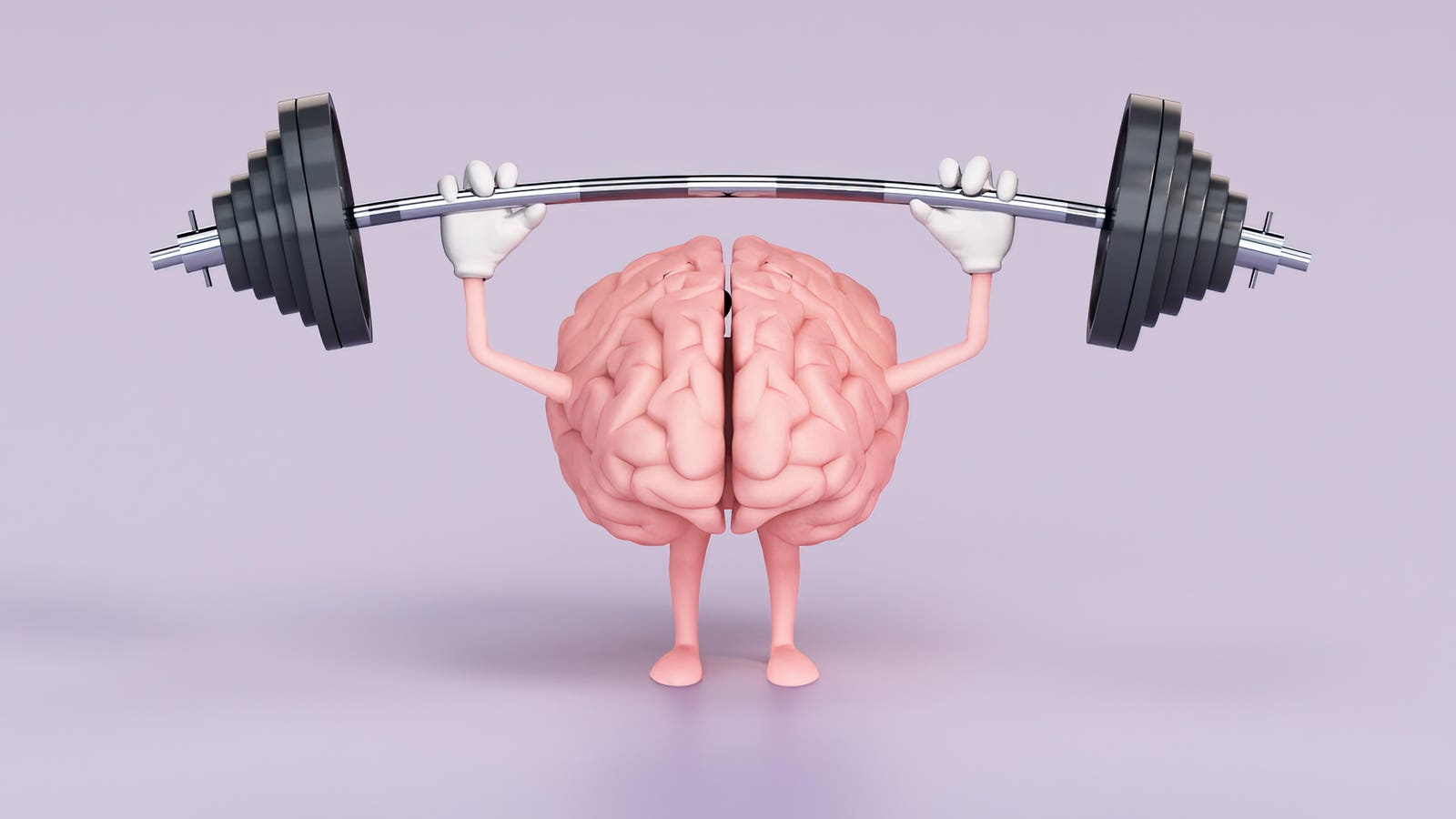
A recent study from MIT highlights a growing issue known as cognitive debt, which arises from excessive reliance on artificial intelligence for thinking tasks. This research builds on previous findings that suggest that depending too much on AI can diminish our core cognitive skills. The study indicates that alternating between unassisted thinking and AI-assisted work can help maintain cognitive sharpness. This method, termed cognitive HIIT, mirrors the principles of high-intensity interval training in physical fitness, where short bursts of intense effort are followed by recovery periods.
Key Insights
- Cognitive debt can weaken fundamental cognitive abilities due to over-reliance on AI.
- Alternating periods of intense mental effort and AI support helps maintain cognitive sharpness.
- Cognitive HIIT improves executive functions such as working memory and task switching.
- The method promotes deeper thinking and reduces dependency on AI for problem-solving.
Why It Matters
Cognitive HIIT is essential in a world increasingly dominated by AI. By training our brains like athletes, we can enhance our mental performance and protect against cognitive decline. This approach not only cultivates independent thinking but also fosters resilience against the temptation to rely on automated solutions. Adopting this practice can lead to stronger cognitive abilities, ensuring we remain sharp and effective thinkers in both personal and professional realms. The journey towards improved cognitive health begins with simple, structured exercises that challenge our minds.





