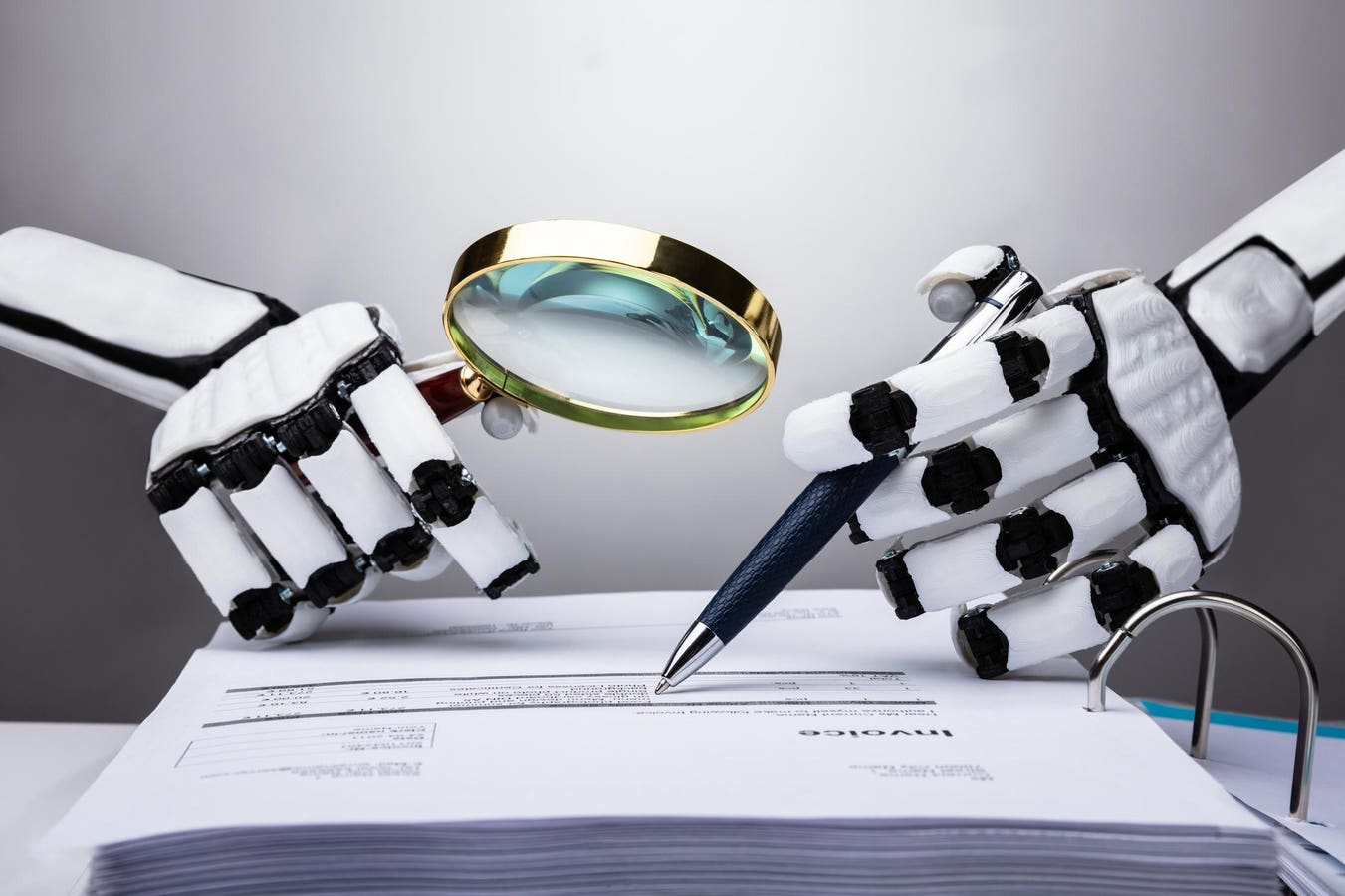
Understanding the Shift in Fraud Detection
Fraud detection is undergoing a significant transformation due to AI technology. Recent incidents, such as the $25 million loss faced by Arup from a deepfake scam, highlight the evolving nature of fraud. Businesses are increasingly at risk of wrongful blacklisting by automated systems, which often mistake legitimate activities for fraudulent ones. This situation creates a need for smarter, more accurate fraud detection tools that can differentiate between genuine and suspicious transactions.
Key Insights
- Many sectors, including CBD and telehealth, face unfair scrutiny from fraud detection systems, leading to wrongful account freezes.
- False positives can cost businesses up to 2.8% of their annual revenue, with recovery from blacklisting being extremely difficult.
- Companies like 2Accept are developing solutions to reduce account termination risks by up to 60%, helping businesses maintain compliance.
- Major players like Mastercard and HSBC are now prioritizing the reduction of false positives while effectively detecting real fraud.
The Bigger Picture
The importance of accountability in AI-driven fraud detection is becoming increasingly recognized. Regulatory frameworks, such as the EU AI Act, demand transparency from automated systems. As AI tools take on more responsibilities, they must also provide clear explanations for their decisions. The ultimate goal is to create a system that not only prevents fraud but also protects legitimate businesses from wrongful accusations. By improving the accuracy of fraud detection systems, the industry can foster trust and support ethical businesses, ensuring they have the opportunity to thrive without the fear of being misclassified as fraudsters.