
Understanding the Research
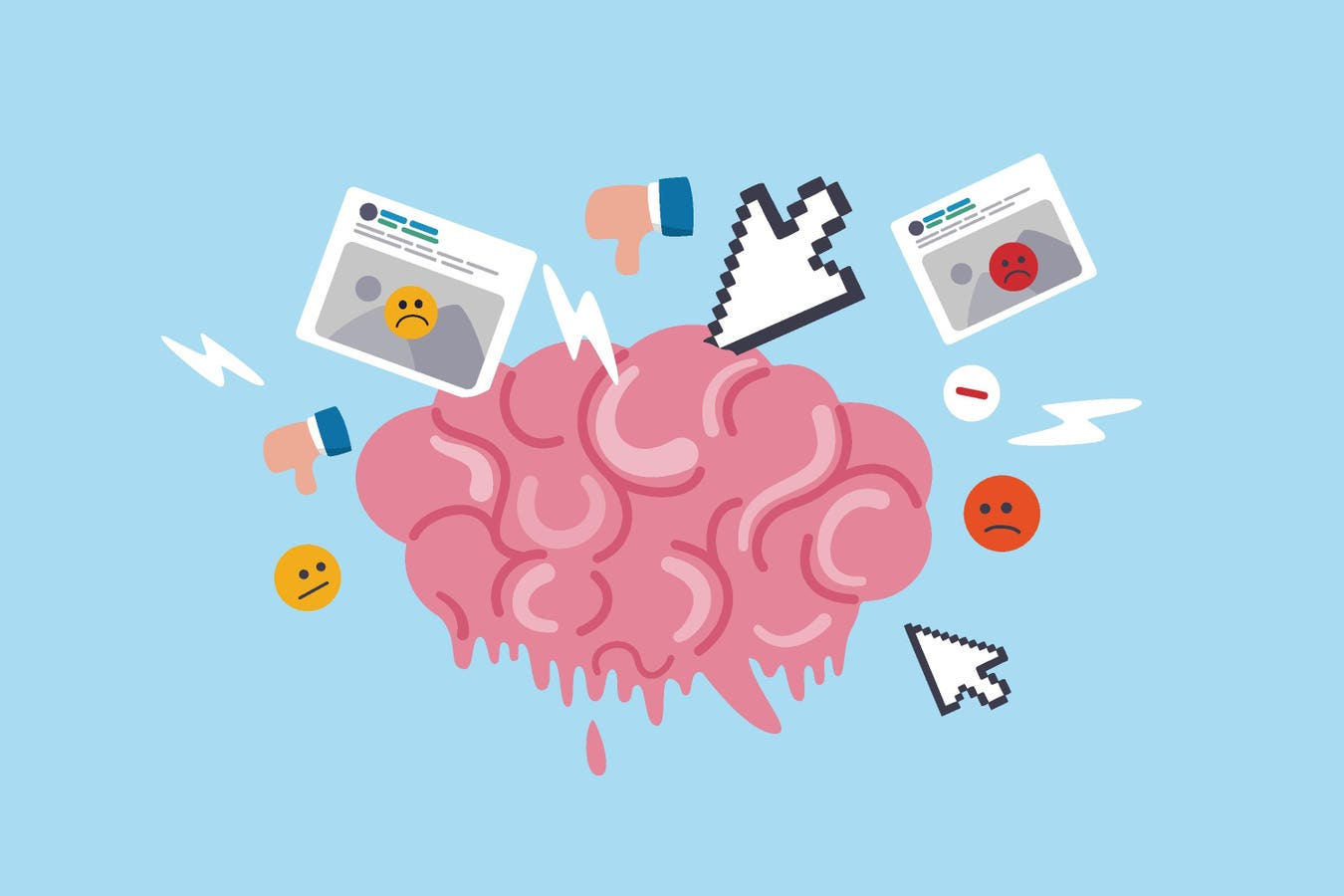
Recent studies reveal that large language models (LLMs) can experience a form of “brain rot,” similar to humans, when exposed to low-quality online content. Researchers from the University of Texas at Austin, Texas A&M University, and Purdue University have explored this phenomenon, demonstrating how the nature of training data affects AI reasoning and coherence. The study highlights that viral and attention-grabbing text can significantly impair the cognitive capabilities of these models, leading to errors in reasoning and factual inconsistencies.
Key Findings
- Researchers created datasets from social media, distinguishing between “junk” content and control data.
- Junk content included click-bait, outrage-driven posts, and superficial commentary, which misleads models into prioritizing attention over understanding.
- LLMs trained on junk data exhibited lasting cognitive damage, failing to recover fully even after switching to cleaner data.
- Experts emphasize the importance of data quality during training to prevent cognitive scarring in AI systems.
Significance of the Study
This research underscores the critical need for high-quality training data in AI development. As AI becomes more integrated into daily life, ensuring models are trained on reliable information is crucial. The concept of “cognitive hygiene” emerges as a vital area of focus, suggesting that the integrity of training data directly impacts the effectiveness and safety of AI systems. As online content increasingly becomes AI-generated, the risk of embedding biases and distortions into these models grows, making it essential to address the quality of input data to safeguard the future of AI.





