
Understanding the Issue
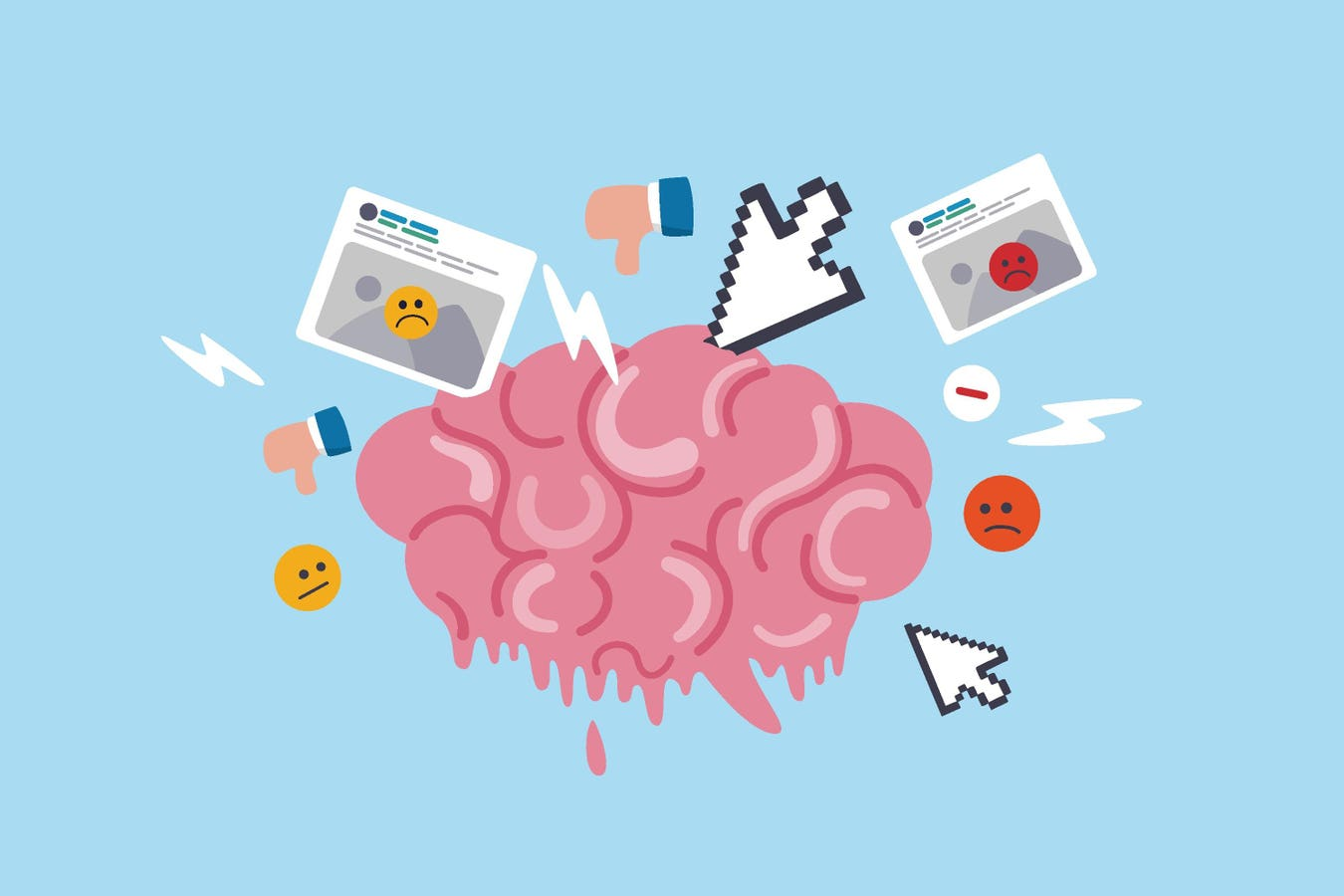
Recent research reveals that artificial intelligence (AI) models, like humans, can suffer from “brain rot” due to exposure to low-quality online content. This term refers to the cognitive decline caused by consuming trivial or attention-seeking material. Researchers from various universities explored how the same content that dulls human cognition also affects AI learning, leading to significant issues in reasoning and coherence. Their study suggests that the quality of data used to train AI models is crucial for their performance.
Key Findings
- The study identified “junk content” as viral, clickbait, and outrage-driven posts that appear fluent but lack depth.
- AI models trained on this low-quality data exhibited cognitive decay, showing lapses in reasoning and factual inconsistencies.
- Even after retraining on better data, the models struggled to recover fully, indicating lasting cognitive damage.
- Experts emphasize the importance of data quality in AI training to prevent biases and vulnerabilities.
The Bigger Picture
This research highlights the importance of data integrity in AI development. As AI systems increasingly rely on online content, ensuring that training data is high-quality becomes essential. Poor data can lead to models that seem knowledgeable but lack true understanding. This study serves as a reminder for AI developers to prioritize “cognitive hygiene” in their training processes. The future of AI safety hinges on the quality of data, especially as more content is generated by AI itself.





