Understanding the Innovation
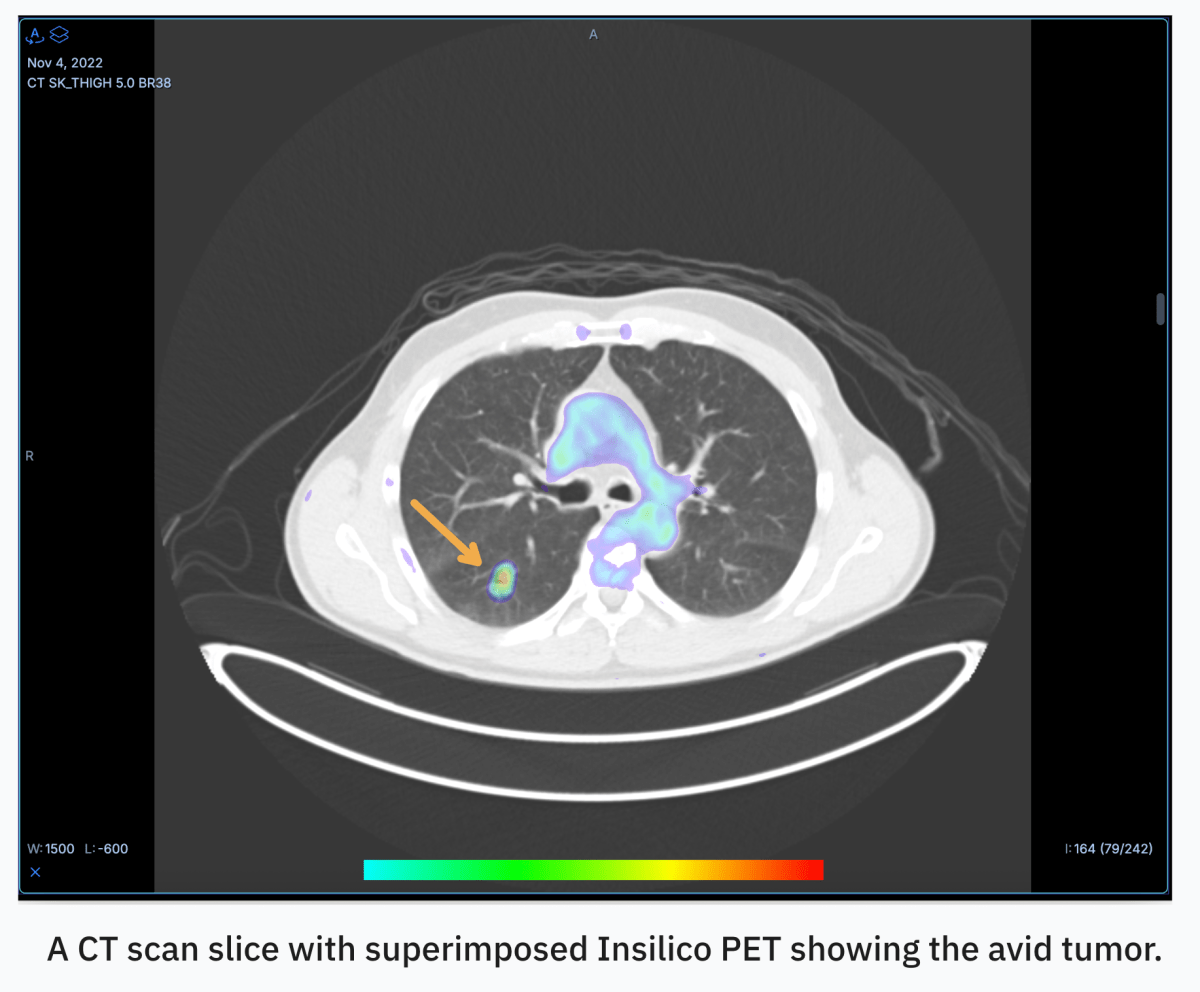
RADiCAIT is a startup that aims to transform cancer detection through the use of artificial intelligence. It proposes a method to create PET scan-like images from more accessible CT scans, addressing the challenges faced by patients who need PET scans. The traditional process is cumbersome, requiring fasting, travel to specialized centers, and strict safety precautions post-scan. This startup emerged from Oxford and has secured initial funding to advance its clinical trials.
Key Details
- RADiCAIT has raised $1.7 million in pre-seed funding and is seeking an additional $5 million for further development.
- The technology uses a generative deep neural network to analyze and map CT and PET scans, identifying critical patterns.
- Clinical pilots have already started, focusing on lung cancer testing in collaboration with major health systems.
- The goal is to gain FDA approval and demonstrate the commercial viability of their AI-generated PET scans for diagnostic purposes.
The Bigger Picture
This innovation is significant as it addresses the growing demand for diagnostic imaging in cancer care. Current PET scan availability is limited, especially in rural areas, leading to delays in diagnosis and treatment. By simplifying the imaging process, RADiCAIT could make cancer detection more efficient and accessible. This advancement not only holds promise for lung cancer but could also extend to other types of cancers, potentially reshaping the future of medical imaging.