Overview of OpenAI’s Goals
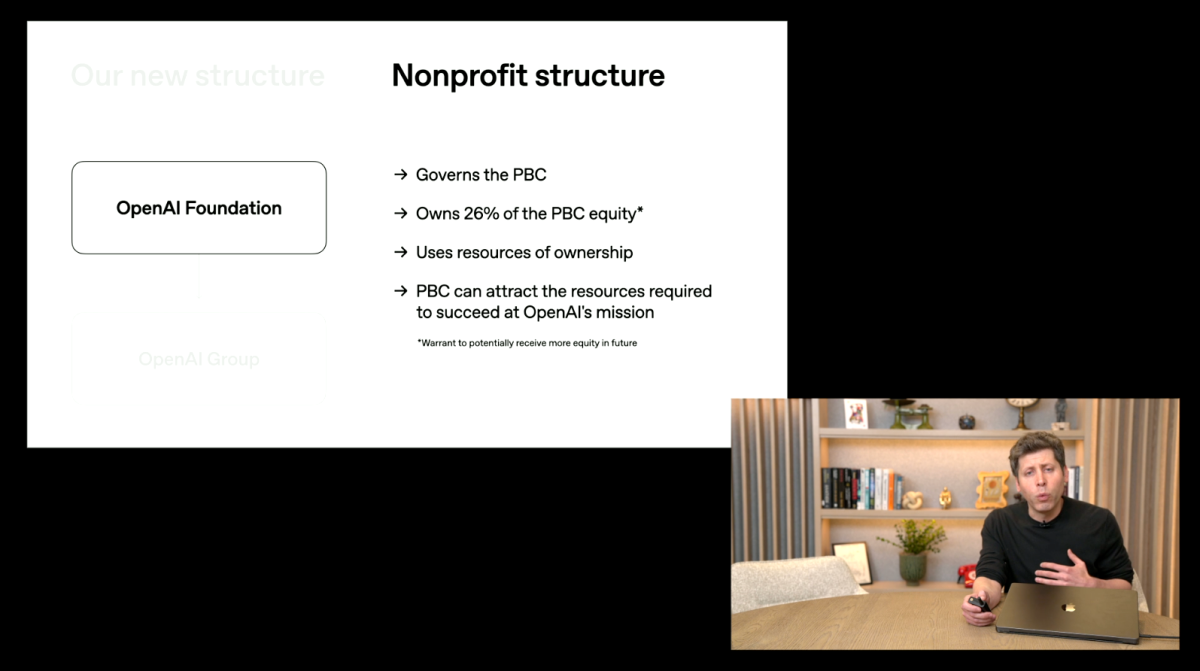
OpenAI is making significant strides in deep learning technology. The company aims to develop an AI that can function as a research assistant by 2026 and a fully autonomous AI researcher by 2028. This ambitious timeline reflects a shift in OpenAI’s structure, moving from a non-profit to a public benefit corporation, allowing for enhanced fundraising opportunities. CEO Sam Altman and chief scientist Jakub Pachocki shared these insights during a livestream, emphasizing the potential for AI systems to achieve superintelligence in under a decade.
Key Details
- OpenAI is focusing on algorithm innovation and increasing computational resources to solve complex problems.
- Current AI models can perform tasks within a five-hour time frame, achieving results comparable to top human competitors.
- The company plans to allocate extensive computing power to tackle major scientific challenges, potentially leading to breakthroughs in various fields.
- The new structure allows OpenAI to raise funds while ensuring a commitment to responsible AI development, with a significant portion of profits directed towards scientific advancement.
Importance of OpenAI’s Vision
This transition to a public benefit corporation is pivotal for OpenAI, as it allows for a more aggressive approach to research and development. By investing heavily in infrastructure, OpenAI aims to accelerate technological advancements in medicine, physics, and other critical areas. The commitment to responsible AI development ensures that while pursuing these goals, ethical considerations remain a priority. The potential for AI to outpace human researchers in making discoveries could revolutionize various industries, making this initiative crucial for the future of technology.