Understanding the Situation
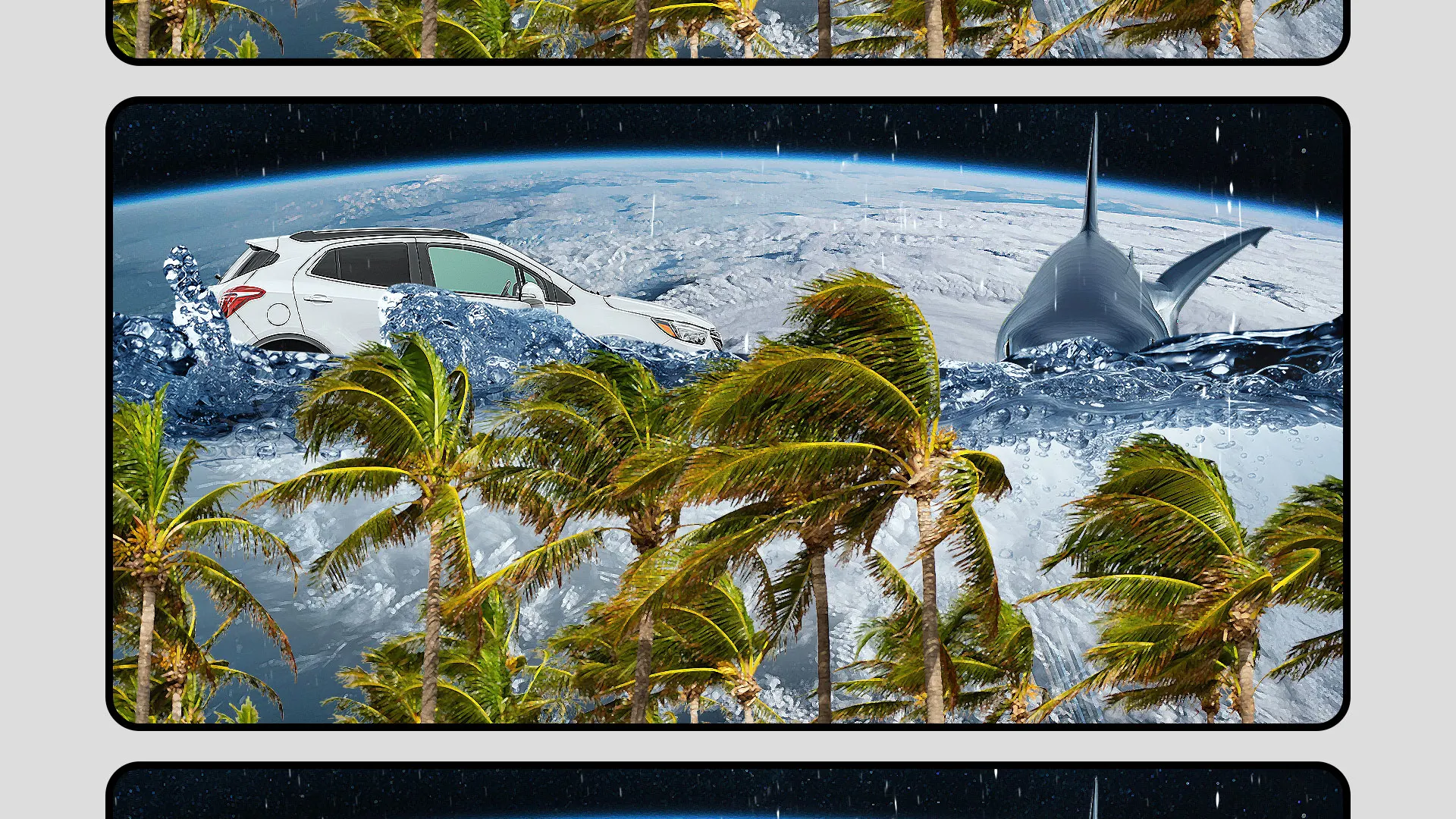
Hurricane Melissa has recently intensified into a Category 5 storm, hitting Jamaica and causing severe destruction and loss of life. As the storm wreaks havoc, social media is inundated with AI-generated videos that blur the lines between reality and fiction. These videos, created using OpenAI’s new Sora 2 app, portray exaggerated and misleading content related to the hurricane. While some clips show dramatic flooding and destruction, others depict locals engaging in leisure activities, downplaying the storm’s seriousness.
Key Points to Note
- The Sora 2 app allows users to create realistic videos by simply typing descriptions, leading to a surge of misleading content.
- Experts warn that this misinformation can undermine public safety messages and create confusion during emergencies.
- Major platforms like TikTok and Facebook are struggling to manage the spread of such content, despite having policies in place to label AI-generated videos.
- The risk of misinformation extends beyond natural disasters, with potential implications for political narratives and public trust.
The Bigger Picture
The rise of AI-generated content presents significant challenges in distinguishing fact from fiction, particularly during crises. As misinformation spreads swiftly, it can hinder effective communication and public preparedness. Experts stress the importance of relying on verified sources for critical updates, especially in emergencies like hurricanes. The advancements in AI technology, while innovative, also raise concerns about the potential for misuse in shaping narratives and influencing public perception. The ongoing development of AI tools signals a need for greater awareness and caution in consuming and sharing content online.