Understanding the Shift in AI Hardware
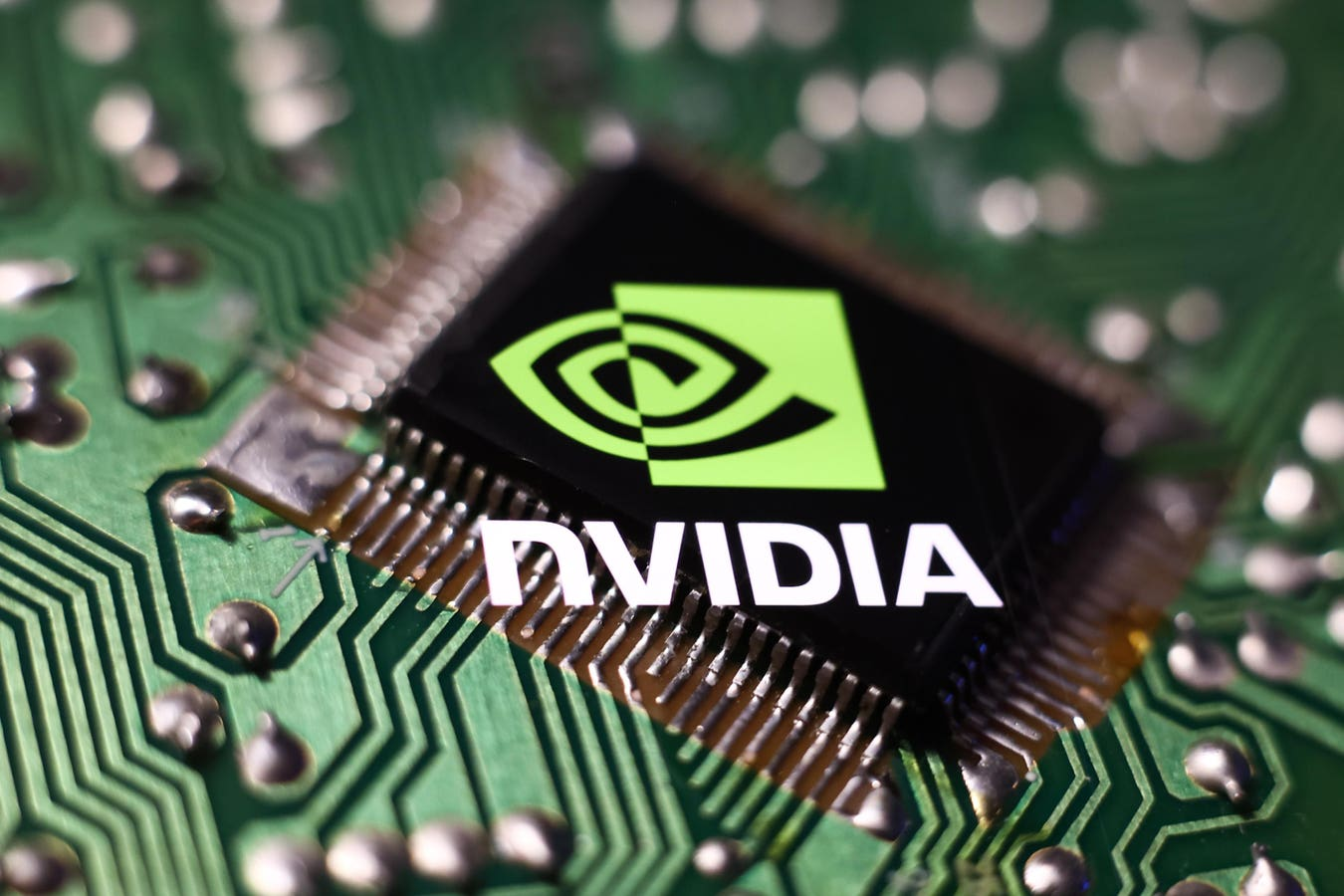
Artificial intelligence is rapidly transforming industries, and the hardware that powers it is crucial. AI systems require specific types of compute, which in turn demand specialized hardware. The effectiveness of AI models hinges on their physical components, primarily silicon chips. These chips enable parallel processing, allowing for faster and more efficient operations in applications like chatbots and generative AI. As the demand for advanced AI capabilities grows, the market is responding with significant investments in AI-specific hardware, highlighting its importance for future technological advancements.
Key Insights from Industry Experts
- Nvidia has emerged as a leader in AI hardware, surpassing major companies like Apple and Microsoft.
- Qualcomm is also entering the AI chip market, indicating strong competition.
- Experts emphasize the need for innovations in chip design to reduce costs and development time.
- Efficient heat management in chips is essential for maintaining performance levels in data centers and consumer devices.
The Importance of Innovation in AI Hardware
The advancements in AI hardware matter because they directly impact the future of technology. As AI continues to evolve, the hardware must keep pace. Innovations like bespoke chips and improved cooling techniques are vital for enhancing performance while managing power consumption. The ongoing evolution of Moore’s law and the shift toward specialized computing solutions will shape the landscape of AI hardware. Understanding these changes is essential for stakeholders aiming to leverage AI’s full potential.