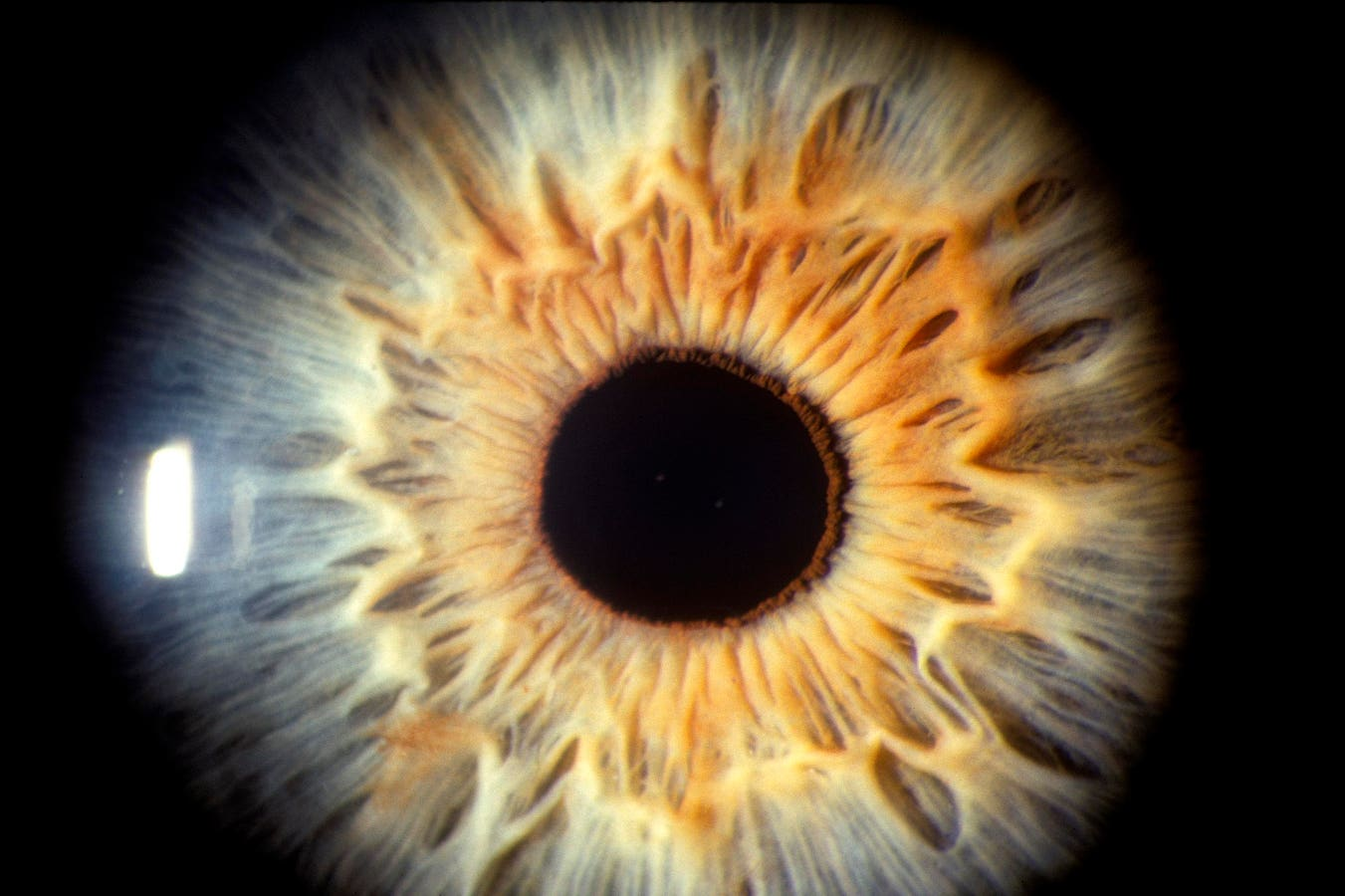
Understanding the Shift in Eye Care
A significant transformation is underway in eye care, driven by advancements in AI and technology. The term “oculomics” represents this new wave, aiming to prevent vision loss for millions. Currently, over 2.2 billion people face vision impairment, with many cases preventable. The pressure on eye clinics is high, leading to delays in treatment. With AI, eye care can become more efficient, allowing for quicker diagnoses and treatment plans.
Key Highlights
- AI technology is being integrated into routine eye exams, enabling faster and more accurate diagnoses.
- Autonomous AI for diabetic retinopathy screening has gained FDA approval, improving patient outcomes and reducing wait times for specialist appointments.
- National programs, like Singapore’s, showcase how AI can streamline referral pathways and enhance tele-ophthalmology services.
- Home monitoring technologies, such as OCT, are emerging to help patients manage conditions like wet AMD with fewer clinic visits.
The Bigger Picture
The integration of AI in eye care is crucial for improving patient access and outcomes. By making eye exams more efficient and accessible, AI can help reduce the number of people losing their sight unnecessarily. As technology continues to evolve, it is essential for healthcare systems to adapt regulations and reimbursement models to support these innovations. This shift not only enhances patient care but also promotes equity in healthcare delivery, ensuring that everyone receives the necessary attention for their eye health.