
Understanding the Challenge
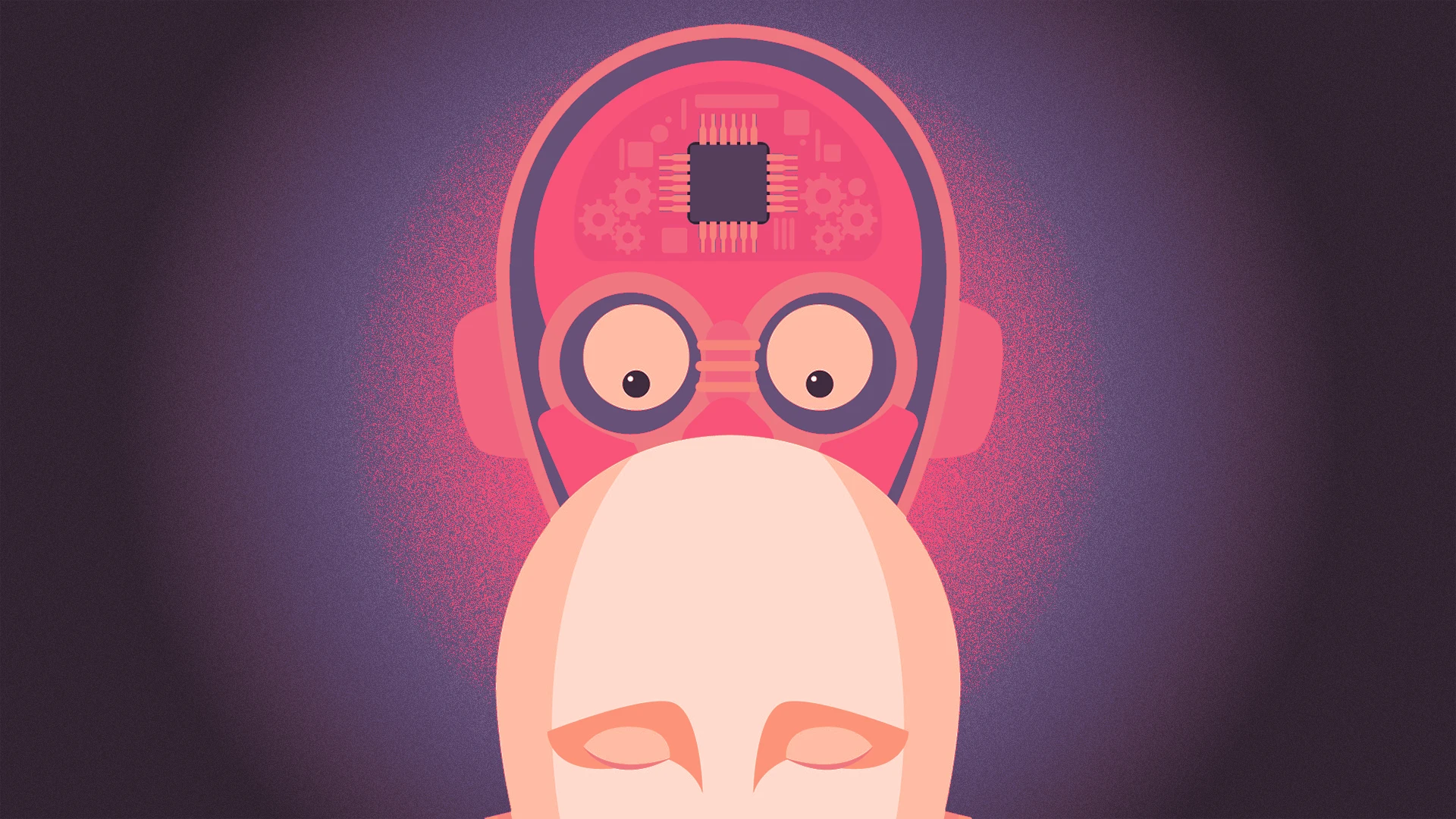
The rise of advanced AI models poses significant challenges for education and professional fields. As AI generates polished essays and outputs, there is a growing concern about the authenticity of student work and the erosion of critical thinking. Students may feel less inclined to engage deeply with their assignments, relying instead on AI to do the heavy lifting. This shift raises questions about accountability and trust in professions like law, medicine, and journalism, where human judgment is paramount.
Key Insights
- A study found that students using AI for essays reported feeling less ownership and performed worse on writing assessments.
- Some educators are attempting to make assignments resistant to AI influence by requiring personal reflections or prompt disclosures.
- Alternatives like in-class testing are gaining traction, but these methods may not foster genuine understanding.
- New approaches, such as authorship protocols that check student engagement with their work, are being piloted to maintain academic integrity.
The Bigger Picture
The integration of AI into educational settings is not just a technological issue; it threatens the foundational elements of learning and trust in professional fields. By ensuring that human reasoning and judgment remain central to the learning process, educators can help students develop critical skills necessary for their future careers. This approach is essential for maintaining the integrity of diplomas and the credibility of professions that rely heavily on human expertise. Creating systems that verify student engagement with their work can preserve the value of education and professional accountability in an increasingly AI-driven world.


