Overview of the New Directive
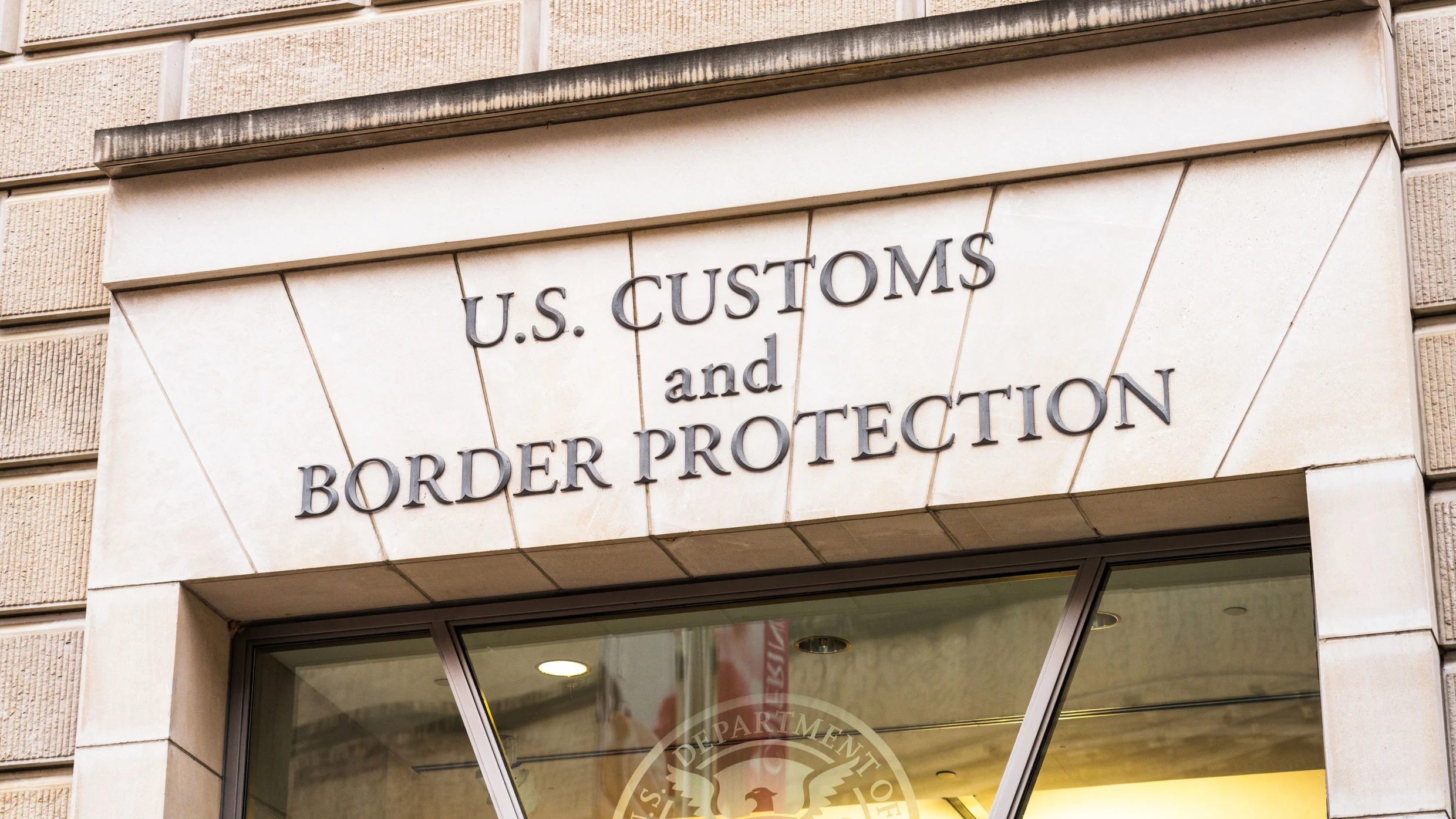
Customs and Border Protection (CBP) is taking steps to regulate its use of artificial intelligence (AI) with the release of a new internal directive. This document aims to ensure that AI technologies are deployed safely and ethically, outlining rules that prevent unlawful surveillance and discrimination. While CBP is keen to explore AI for various applications, the directive raises concerns about potential loopholes that could allow misuse of the technology.
Key Points of the Directive
- CBP officials are prohibited from using AI for unlawful surveillance and must not rely solely on AI for law enforcement actions.
- The directive details procedures for introducing AI tools and emphasizes a rigorous review process for high-risk applications.
- Staff must verify AI-generated content before use, ensuring accuracy and context in decision-making.
- Concerns exist about a waiver process that could bypass minimum requirements for high-risk AI, which may lead to misuse or biased outcomes.
Importance of the Directive
The directive is significant as it reflects a growing awareness of the ethical implications of AI in law enforcement. As CBP expands its AI capabilities, the need for strict guidelines is critical. The potential for AI errors to result in serious consequences, such as wrongful deportation, underscores the importance of responsible AI use. The document aims to balance innovation with accountability, but critics argue that without more stringent protections, the risks associated with AI could overshadow its benefits.