
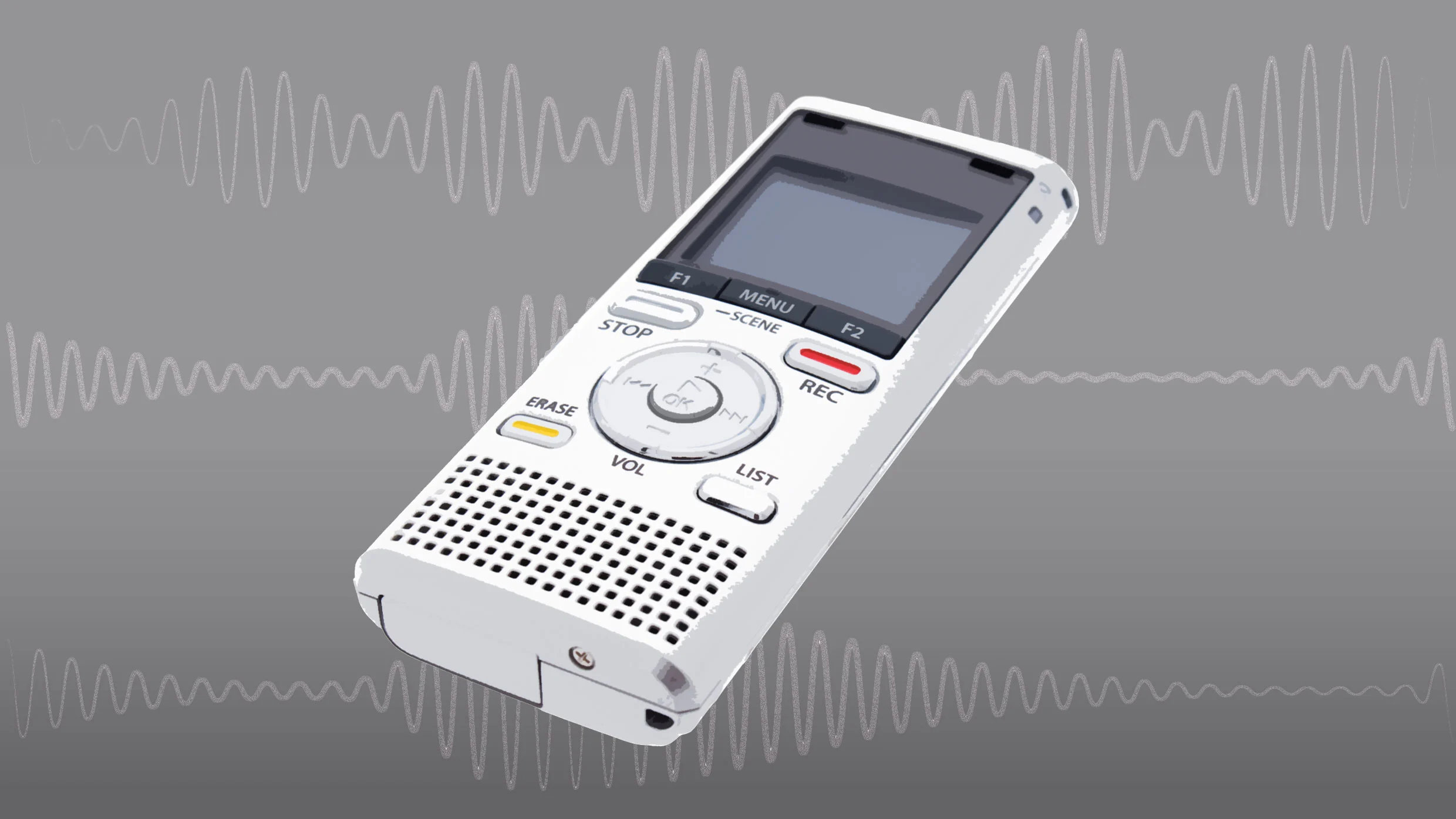
Understanding the Shift in Voice Recording Technology
The evolution of voice recording devices has transformed how journalists capture and transcribe audio. From traditional dictaphones to advanced AI-powered recorders, technology has made significant strides. Recent innovations from startups like Plaud and Notta are leading this change, offering tools specifically designed for professionals. These devices enhance the recording experience, making it easier to manage audio and generate transcripts, which is crucial for journalists on the go.
Key Features of New Voice Recorders
- Plaud offers two devices: the Plaud Note and NotePin, both featuring magnetic attachments for smartphones.
- The Plaud Note allows phone call recording, while the NotePin is designed for hands-free use.
- Notta’s Memo includes a small OLED screen for recording status and offers in-app translation, making it user-friendly.
- Subscription plans for transcription services vary; Plaud starts at $12.99 for extra minutes, while Notta offers a competitive $98 annual plan for 1,800 minutes.
The Importance of Advancements in Recording Technology
As journalism increasingly relies on accurate audio capture, these new devices provide essential tools for professionals. The ability to record, transcribe, and translate on-the-go saves time and enhances productivity. Dedicated hardware ensures reliability, especially in fast-paced environments like press conferences. The rise of AI in this field demonstrates its practical applications, proving that innovative technology can significantly improve everyday tasks for journalists and other professionals. Investing in these advanced recorders can lead to more efficient workflows and better-quality reporting.





