
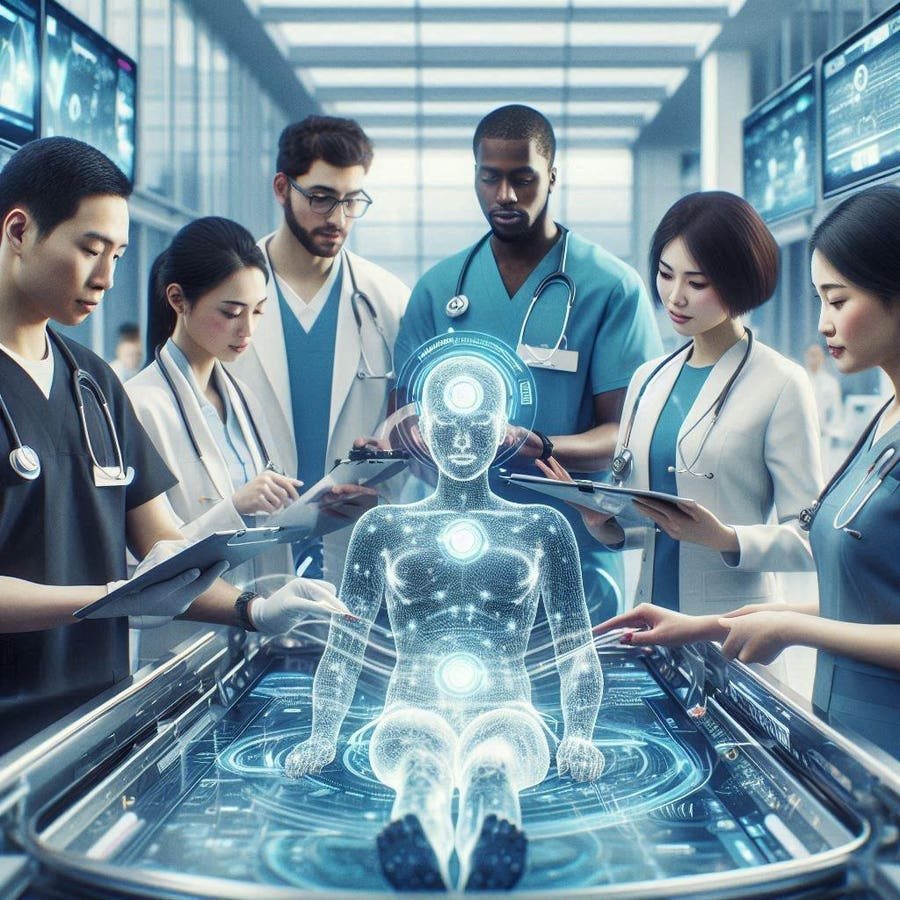
Understanding AI in Healthcare
AI is transforming the medical field by enhancing how healthcare professionals diagnose and treat patients. One notable innovation is the COmmunicating Narrative Concerns Entered by Registered Nurses Early Warning System (CONCERN EWS). This tool allows nurses to input observations into an AI system that detects early signs of patient health deterioration. This proactive approach is a significant advancement over traditional methods, enabling faster and more accurate responses to patient needs.
Key Features of CONCERN EWS
- Developed by researchers at the University of Pennsylvania and Columbia, the tool uses an algorithm to analyze nurses’ notes for critical health changes.
- It can identify minor alterations in patient conditions, such as drops in blood pressure or skin color changes, that may indicate future health risks.
- The AI model was trained on the NVIDIA RTX A2000, showing that impactful AI tools do not always require cutting-edge hardware.
- Clinical trials demonstrated that CONCERN EWS allowed for earlier detection of health issues—up to 42 hours sooner—reducing patient mortality risk by over 35% and shortening hospital stays.
The Broader Implications of AI in Medicine
The success of the CONCERN EWS tool illustrates the potential of AI to revolutionize patient care. Many health conditions can be treated effectively if diagnosed early; however, subtle symptoms often lead to misdiagnosis or delayed treatment. Rather than replacing healthcare professionals, AI serves as a support tool that enhances their capabilities. The promising results of this tool pave the way for further AI applications in healthcare, such as analyzing imaging results and monitoring vital signs during procedures. The integration of AI in medicine not only saves lives but also optimizes hospital resources, making healthcare more efficient and accessible.





