
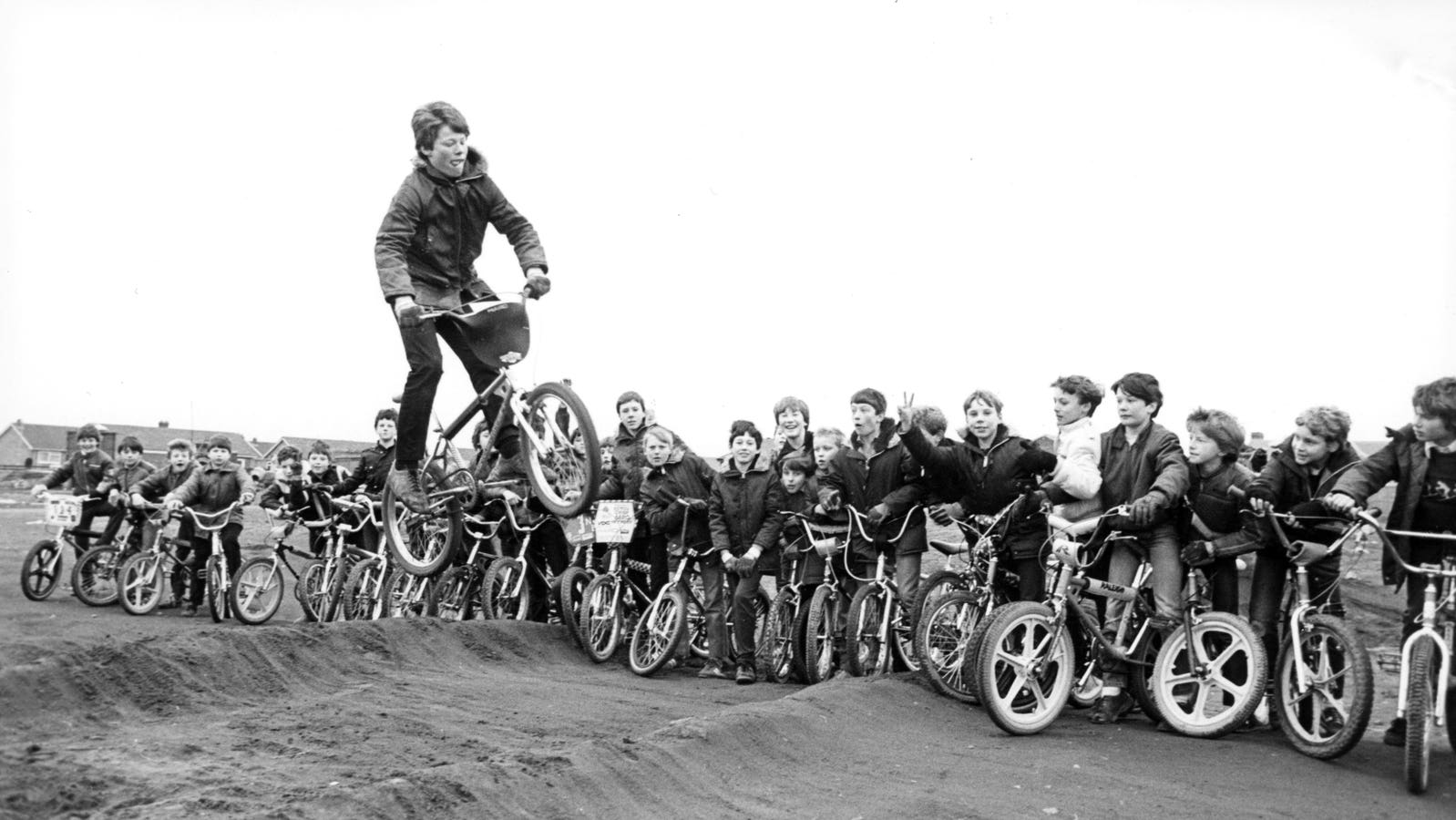
The Essence of Free Play
The importance of unstructured play in childhood is highlighted, showing how it helps children develop crucial life skills. Kids who engage in free play learn to solve problems, negotiate, and navigate social dynamics without adult intervention. This self-directed exploration fosters resilience and critical thinking, essential for future success.
Key Insights
- Children learn to face challenges and develop resilience when allowed to solve problems independently.
- Overprotective parenting can hinder skill development, making kids overly reliant on adults and technology.
- The rise of AI in the workplace emphasizes the need for human skills like creativity and collaboration.
- Boredom can spark creativity, but today’s kids often fill every moment with screens, missing out on valuable mental downtime.
The Bigger Picture
As AI takes over routine tasks, the demand for human skills will increase. It’s vital for children to practice independent thinking and problem-solving to thrive in future job markets. Encouraging free play and allowing children to navigate challenges without constant adult support can lead to stronger, more adaptable adults. The current trends in childhood development, including increased anxiety and decreased social skills, suggest that modern parenting styles may need to adjust to better prepare kids for the complexities of adult life.





