Understanding the AI Landscape
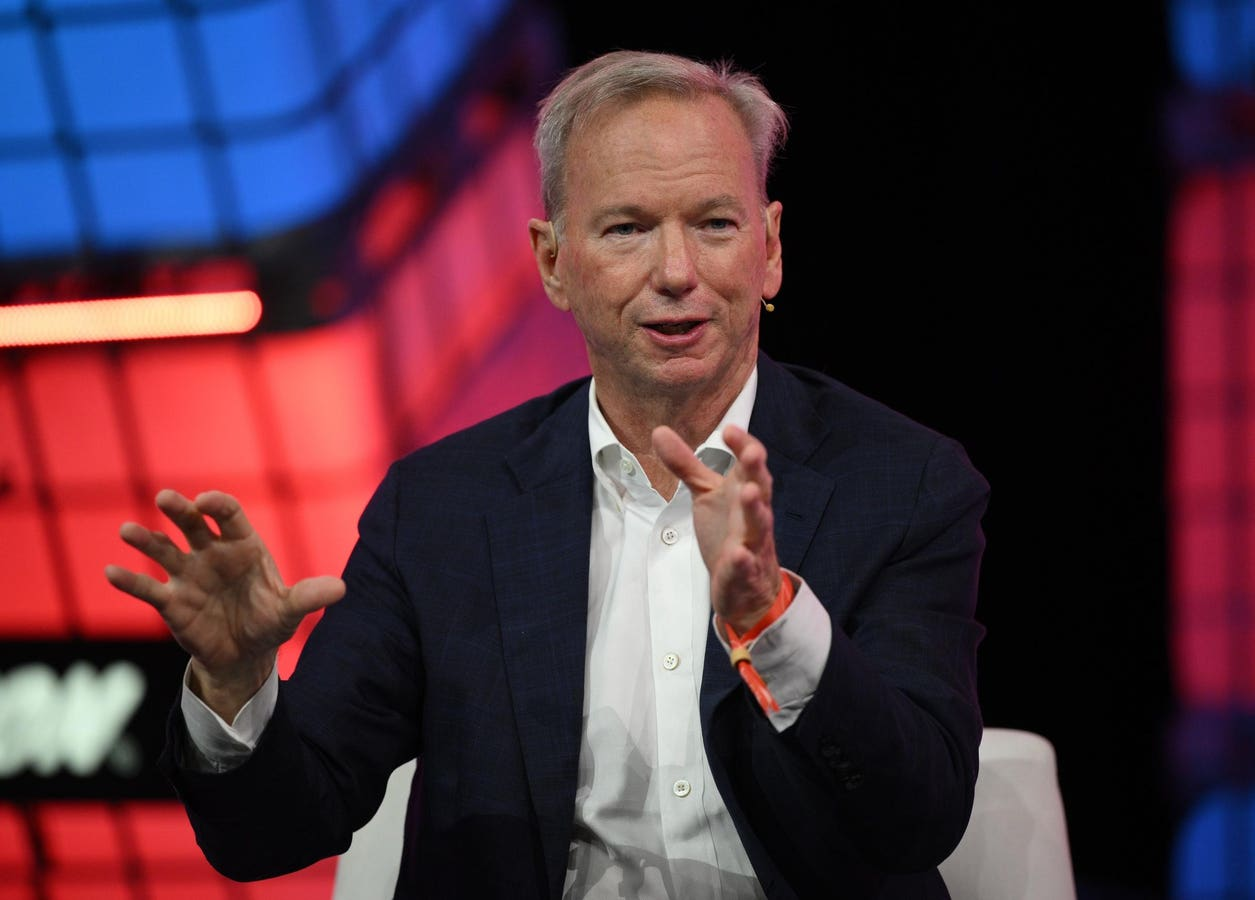
Sino-American relations are increasingly complicated in the age of AI. While tariffs and semiconductor issues are significant, there is also a hidden competition in undersea technology, particularly in optical fiber. The U.S. and China are both trying to gain an edge over each other by controlling resources and technology. Eric Schmidt, a prominent figure in AI, shared insights on the current state of this rivalry. He noted that while the U.S. is focused on achieving Artificial General Intelligence (AGI), China is concentrating on integrating AI into everyday products and services. This shift in focus may ease fears of a direct super-intelligence conflict between the two nations.
Key Points to Consider
- Schmidt believes China is advancing in solar energy, potentially outpacing the U.S. in electricity production.
- He warns that while the U.S. currently leads in chip technology, future energy constraints could shift the balance.
- The threats posed by AI include misinformation, cyberattacks, and bioweapons, with biological threats being particularly concerning.
- Schmidt emphasizes the importance of understanding these threats to better prepare for the future and avoid crises.
The Bigger Picture
The implications of these developments are vast. As both countries navigate the complexities of AI, understanding each other’s strengths and weaknesses is crucial. The next decade is predicted to shape the future significantly, with AI playing a central role in global power dynamics. By recognizing the potential dangers and opportunities that AI presents, societies can work towards leveraging its capabilities for beneficial outcomes. Engaging in strategic discussions about AI will be essential for mitigating risks and fostering innovation in a rapidly evolving landscape.