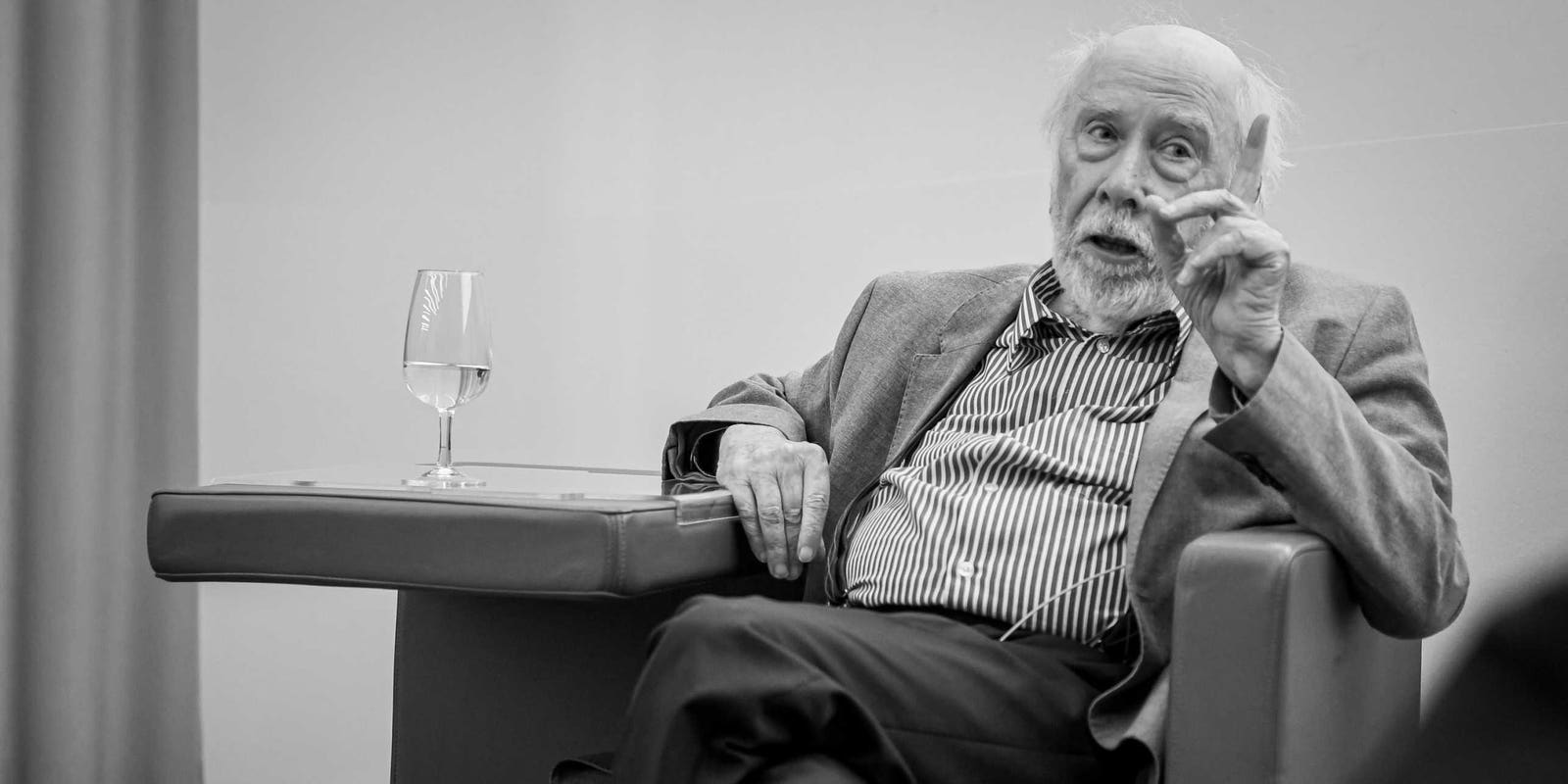
Understanding the Essence of Wirth’s Work
Niklaus Wirth, a prominent figure in computer science, emphasized simplicity in software design. His languages, including Pascal, Modula-2, and Oberon, aimed to tackle growing complexity in programming. Wirth’s philosophy was rooted in the belief that a small, well-defined system allows for better understanding and control. This approach contrasts sharply with the modern trend of layering extensive features and complexity onto software systems.
Key Insights from Wirth’s Philosophy
- Wirth’s languages evolved as responses to increasing software complexity.
- He advocated for a minimalistic design that promotes clarity and efficiency.
- The rise of powerful hardware led to a neglect of disciplined programming practices.
- Current trends in AI and large language models risk repeating past mistakes of complexity.
The Importance of Simplicity Today
Wirth’s work is crucial in today’s software landscape, where bloated architectures can lead to inefficiencies and hidden failures. As AI models become more prevalent, the need for a disciplined approach to software design is more pressing. Without a focus on simplicity, the risk of misunderstandings and failures in complex systems increases. Embracing Wirth’s principles can guide developers to create systems that are not only effective but also easier to manage and understand. His legacy challenges us to reconsider how we approach software development in an age dominated by complexity.