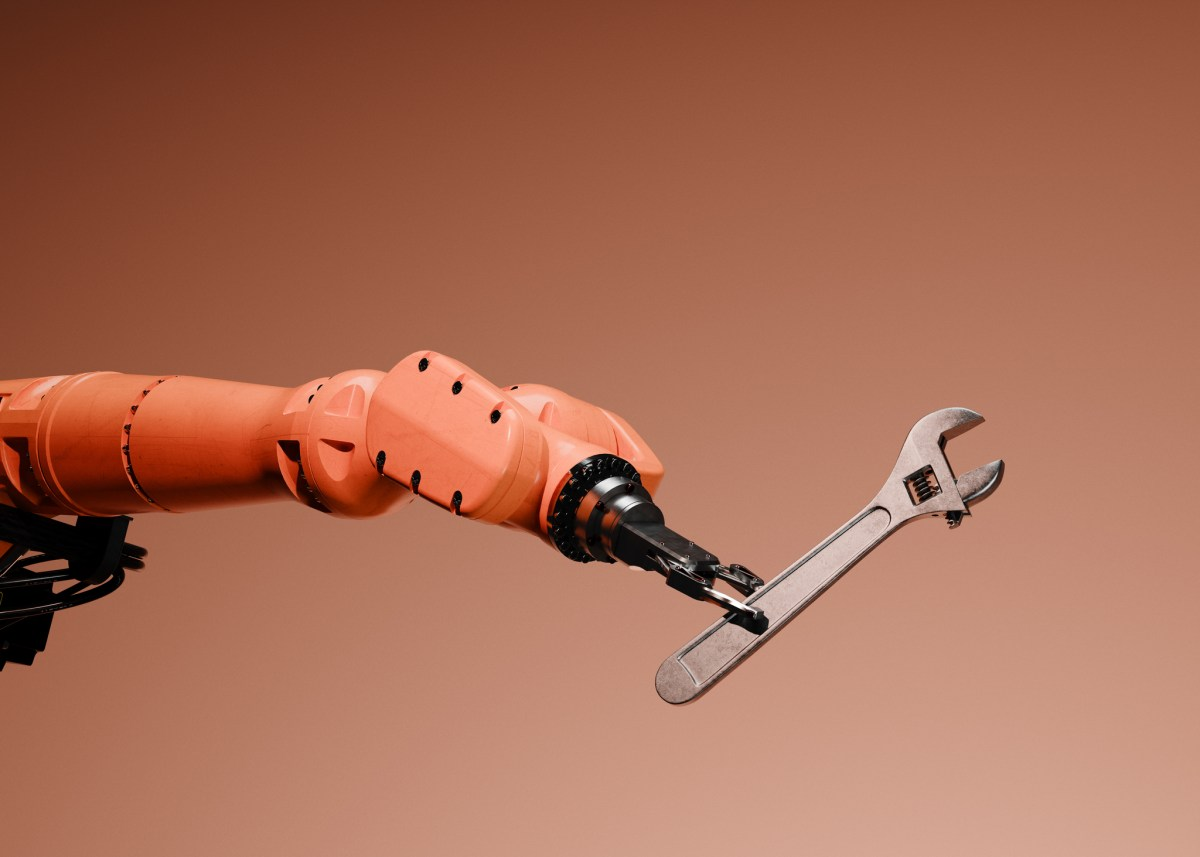
Understanding the Shift in Manufacturing
The landscape of American manufacturing has changed dramatically over the past two decades. The decline in jobs and quality of work has raised concerns, especially with the rise of cheaper imports from countries like China. However, the situation is shifting as Chinese labor costs increase, yet American jobs have not fully returned. This article explores the potential of robotics and AI to revitalize manufacturing in the U.S. by allowing human workers to oversee automated systems, creating skilled jobs that pay well.
Key Insights
- Economists argue that automating unskilled labor through robotics is essential for bringing manufacturing back to the U.S.
- Human operators will manage complex robotic systems, enhancing productivity without completely replacing jobs.
- There are currently over half a million unfilled manufacturing jobs in the U.S., which require hands-on skills that cannot be done remotely.
- A significant issue in manufacturing is that engineers often lack knowledge about practical manufacturing constraints, leading to wasted time and resources.
The Bigger Picture
The integration of robotics and AI in manufacturing offers a promising solution to the current labor crisis. By pairing engineers with AI tools that provide real-time feedback, productivity can increase significantly. This approach not only helps to fill existing job gaps but also creates a new structure in which humans and machines work together efficiently. Embracing these technologies could lead to a resurgence of American manufacturing, ensuring that jobs remain accessible and viable for skilled workers while adapting to modern needs.