
Understanding the AI Landscape
OpenAI’s ChatGPT has dramatically changed human-machine interaction since its launch three years ago. It gained one million users in just five days and has now reached over 800 million weekly users. The initial phase was crucial for laying the groundwork, but the real AI revolution is just beginning. The next 1,000 days will be vital for companies to harness AI’s value or risk being left behind. Business leaders must focus on deploying AI effectively while managing its limitations, as the technology can perform many cognitive tasks traditionally done by humans.
Key Insights
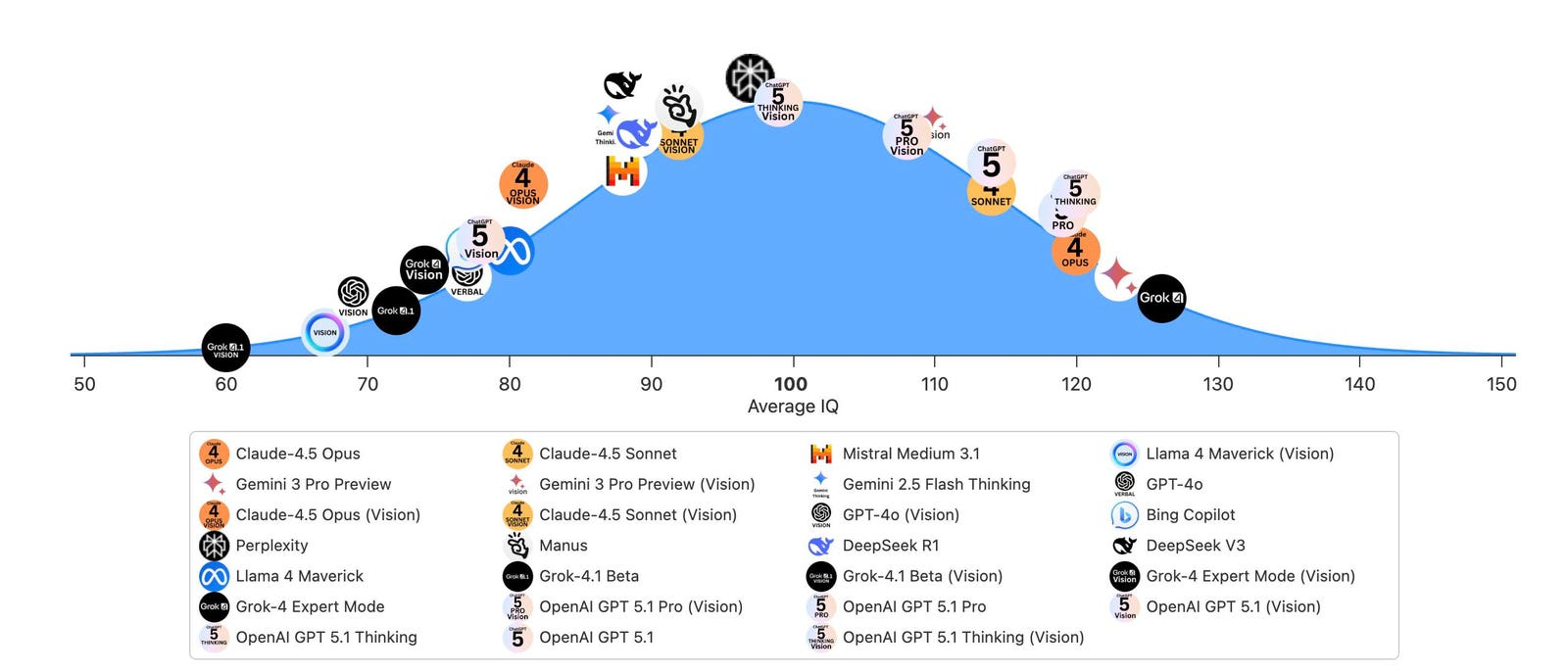
- AI capabilities are growing rapidly, with models scoring impressively on IQ tests.
- Inference costs are plummeting, but training costs are skyrocketing, creating a paradox in AI economics.
- Jevons Paradox suggests that as AI becomes cheaper, its usage will expand into new areas, rather than simply replacing existing jobs.
- The market for AI agents is set to grow significantly, with predictions indicating they will take on more autonomous roles in decision-making.
The Bigger Picture
The coming years will determine how organizations adapt to AI’s expanding role. Companies must assess which of their competitive advantages are being eroded and how to strengthen their data, brand trust, human judgment, and distribution channels. The focus should be on responsible AI deployment to maintain trust while navigating the complexities of governance. The winners will not only be those with the best AI but also those that create sustainable advantages in a landscape where AI is increasingly accessible.





