
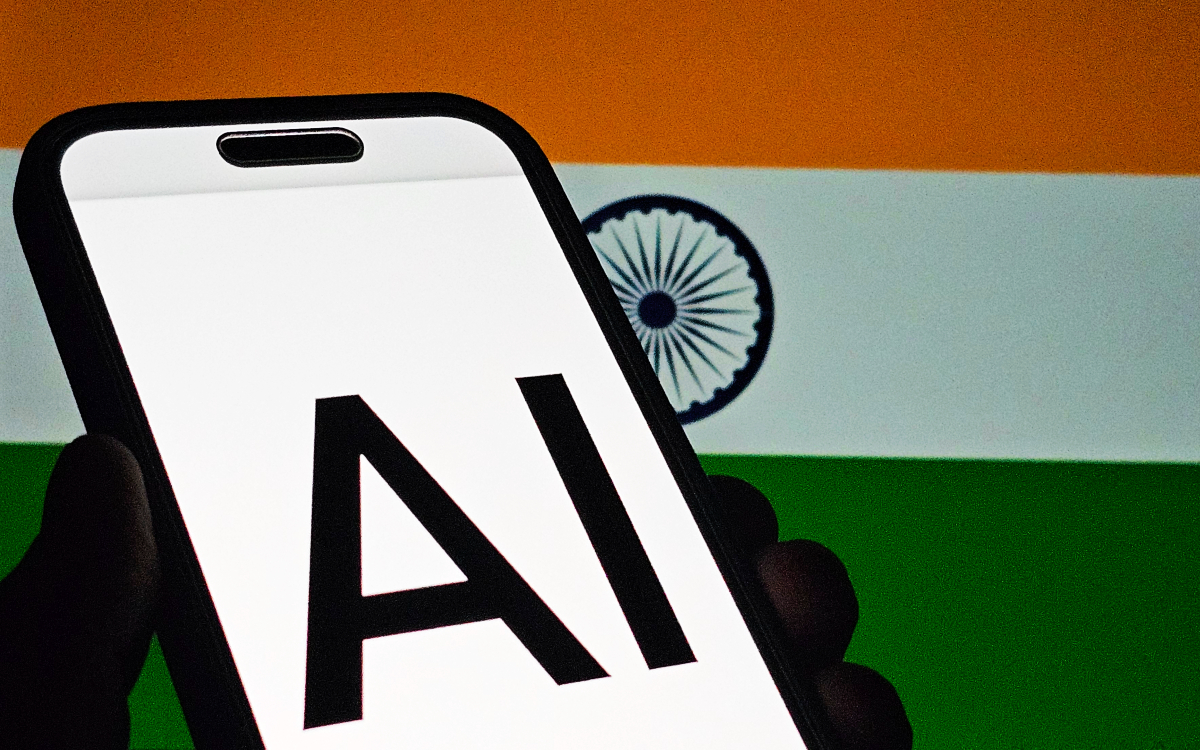
Overview of the Proposal
India is taking a significant step in regulating artificial intelligence (AI) by proposing a mandatory royalty system for companies that use copyrighted material to train their models. The new framework aims to give AI firms access to all copyrighted works in exchange for paying royalties to a newly established collecting body. This body will distribute payments to the creators of the content used. The initiative seeks to address growing global concerns regarding the use of copyrighted material in AI training, which has sparked numerous lawsuits in various countries, including the U.S. and Europe.
Key Details
- The Indian government has formed an eight-member committee to oversee the proposal and ensure fair compensation for creators.
- The committee argues that a blanket license will reduce legal uncertainty and compliance costs for AI companies.
- Critics, including industry groups like Nasscom and the Business Software Alliance, express concerns that mandatory licensing could hinder innovation and suggest alternative approaches.
- The proposal is currently open for public consultation, allowing stakeholders to provide feedback before final recommendations are made.
Significance of the Move
This proposal is crucial as it aims to establish a balanced framework that compensates creators while enabling AI companies to thrive in a rapidly growing market. By addressing copyright issues proactively, India positions itself as a leader in AI regulation. This could influence how other countries approach similar challenges, potentially leading to a more structured and fair global AI landscape.





