Overview of Nvidia’s Ambitious Robotics Ecosystem
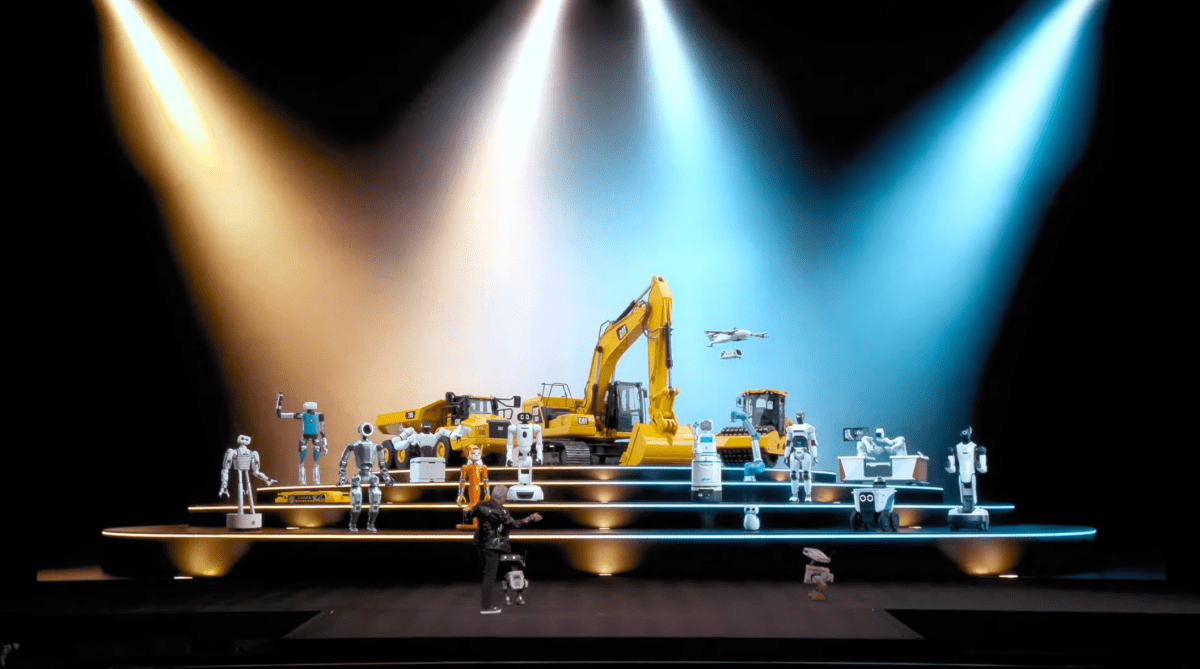
Nvidia has unveiled a comprehensive robotics platform at CES 2026, aiming to establish itself as the go-to provider for generalist robotics. The company is shifting AI capabilities from the cloud to physical machines, allowing them to learn and adapt in real-world environments. This transition is made possible by advancements in sensors, simulation tools, and AI models that can perform a variety of tasks. Nvidia’s new stack includes open foundation models available on Hugging Face, designed to enhance robots’ reasoning, planning, and adaptability.
Key Features of the New Robotics Stack
- The introduction of Cosmos Transfer 2.5 and Cosmos Predict 2.5 for synthetic data generation and robot policy evaluation.
- Launch of Cosmos Reason 2, which enables robots to perceive and interact with their surroundings.
- Development of Isaac GR00T N1.6, a vision language action model that allows humanoid robots to execute complex movements.
- Creation of Isaac Lab-Arena, an open-source simulation framework for safe virtual testing of robotic capabilities.
Importance of Nvidia’s Robotics Initiative
Nvidia’s efforts are crucial for the future of robotics development. By providing a unified platform, the company aims to simplify the process of training and validating robots in various tasks. This will reduce costs and risks associated with physical testing. The collaboration with Hugging Face further democratizes access to robotic training, allowing more developers to innovate without heavy investments in hardware. As robotics continues to grow, Nvidia’s models are already leading in popularity, indicating that the strategy is gaining traction within the industry.