Understanding the Shift in AI Architecture
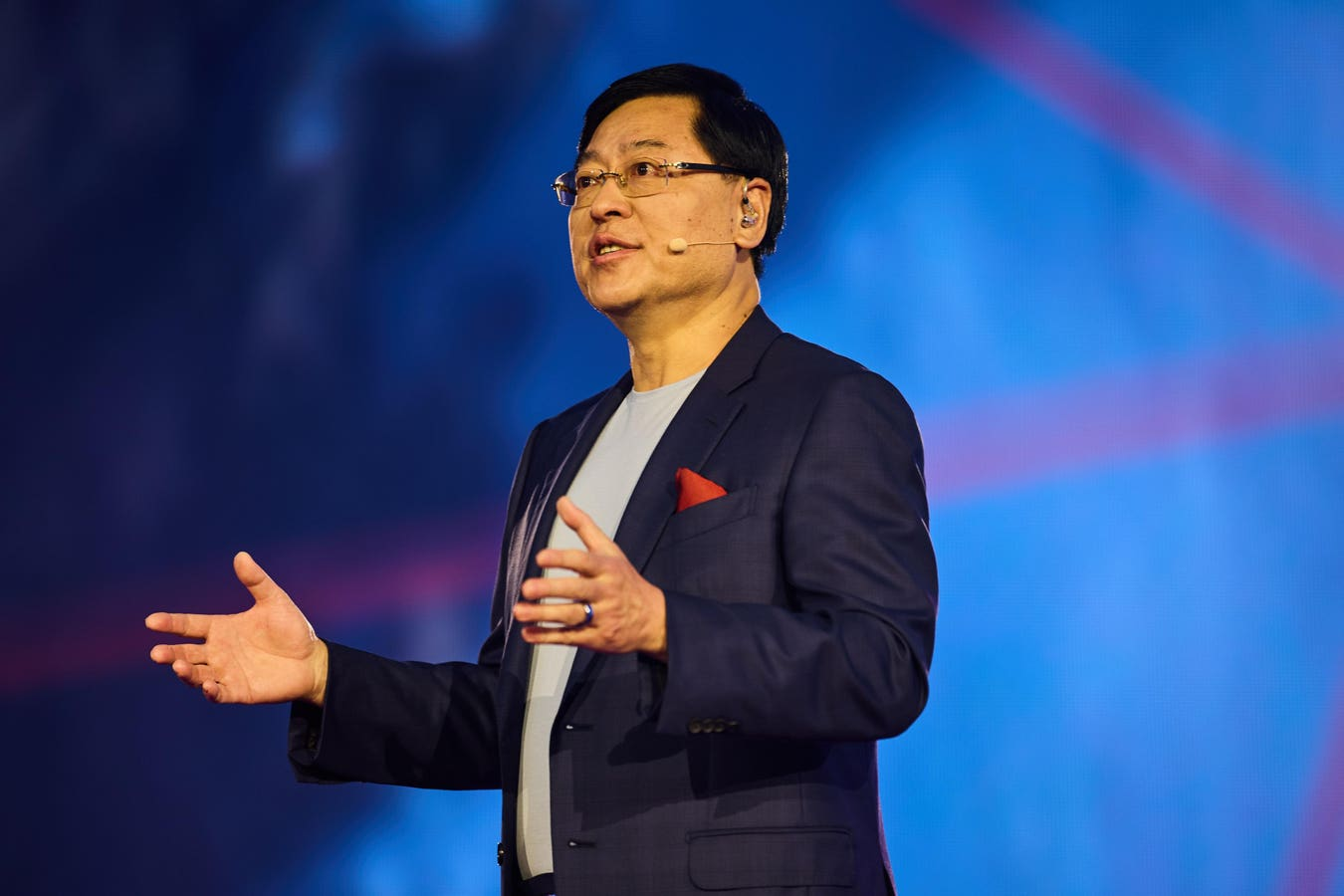
Lenovo’s recent presentation at CES 2026 highlighted a significant shift in how artificial intelligence (AI) should be integrated into everyday life and business. The company argues that the traditional reliance on cloud-based AI is limiting. Instead, they advocate for a hybrid AI model that combines cloud capabilities with on-device intelligence. This model aims to enhance user experience and operational efficiency by making AI more accessible and adaptable to individual needs.
Key Highlights
- Lenovo’s hybrid AI strategy aims to provide user-centric experiences across various devices, ensuring seamless interaction.
- The company reported a 30% increase in AI-related revenue, indicating strong market demand for its innovations.
- Lenovo introduced Qira, a personal AI operating system designed for multiple devices, emphasizing user control and privacy.
- Partnerships with organizations like FIFA and Formula 1 showcase real-world applications of their AI systems in high-stakes environments.
The Bigger Picture
This hybrid approach is crucial as organizations face challenges related to data sovereignty, latency, and governance. By decentralizing AI, Lenovo addresses these concerns, allowing businesses to leverage their data more effectively. As AI continues to evolve, companies that prioritize a thoughtful integration of AI into their operations will likely gain a competitive edge. Lenovo’s vision of AI as an adaptable and user-friendly tool could set a new standard in the industry, particularly in sectors where timely and accurate decision-making is critical.