Overview of Innovations
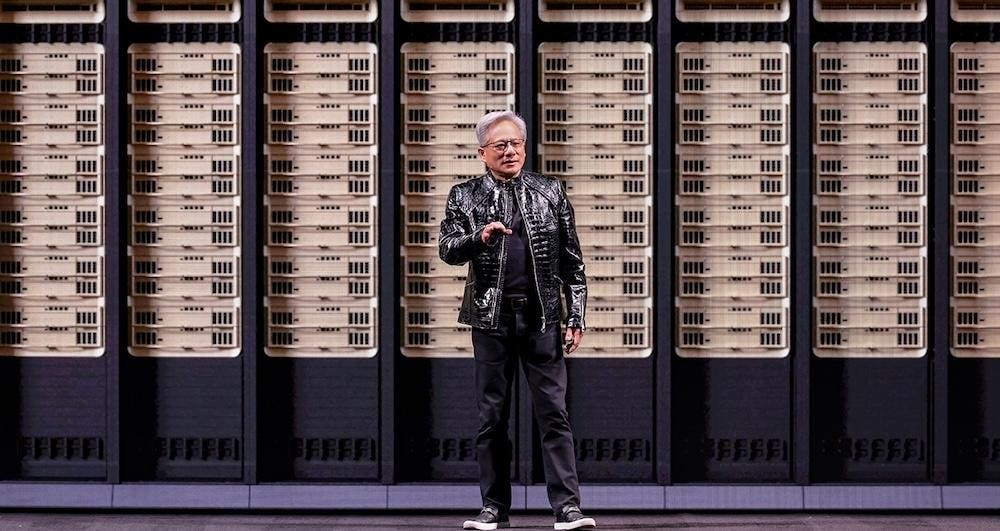
Nvidia’s CEO Jensen Huang showcased an extensive range of new AI platforms during his CES 2026 keynote. The focus was on creating an end-to-end infrastructure that enhances operational efficiency and broadens market opportunities. The announcements included five interconnected platforms that target various segments of the AI value chain, such as data center economics, autonomous vehicles, industrial manufacturing, desktop development, and consumer gaming. This strategic shift moves Nvidia from selling individual chips to offering integrated systems that solve infrastructure challenges for businesses.
Key Highlights
- The Rubin platform integrates six silicon components, enhancing inference compute and reducing costs significantly for enterprises.
- Alpamayo is introduced for autonomous vehicles, allowing them to explain their decision-making processes, enhancing safety and compliance.
- Nvidia’s partnership with Siemens aims to create an industrial AI operating system, focusing on integrating AI into manufacturing processes for efficiency.
- DGX Spark enhances desktop AI development, offering significant performance improvements for large language models and local compute capabilities.
- The DLSS 4.5 technology boosts gaming performance, allowing for dynamic frame generation and higher frame rates without compromising image quality.
Importance of These Developments
These innovations represent a crucial step for Nvidia as it positions itself in the expanding AI landscape. By addressing the needs of various industries, Nvidia is not only enhancing its product offerings but also shaping the future of AI applications. The advancements in autonomous vehicles and industrial manufacturing highlight a shift towards intelligent systems that can improve safety and efficiency. Moreover, the gaming technology innovations demonstrate the potential of AI in enhancing user experiences across different platforms. Overall, these developments reflect Nvidia’s commitment to leading the AI revolution and driving transformative changes across multiple sectors.