Understanding the Shift
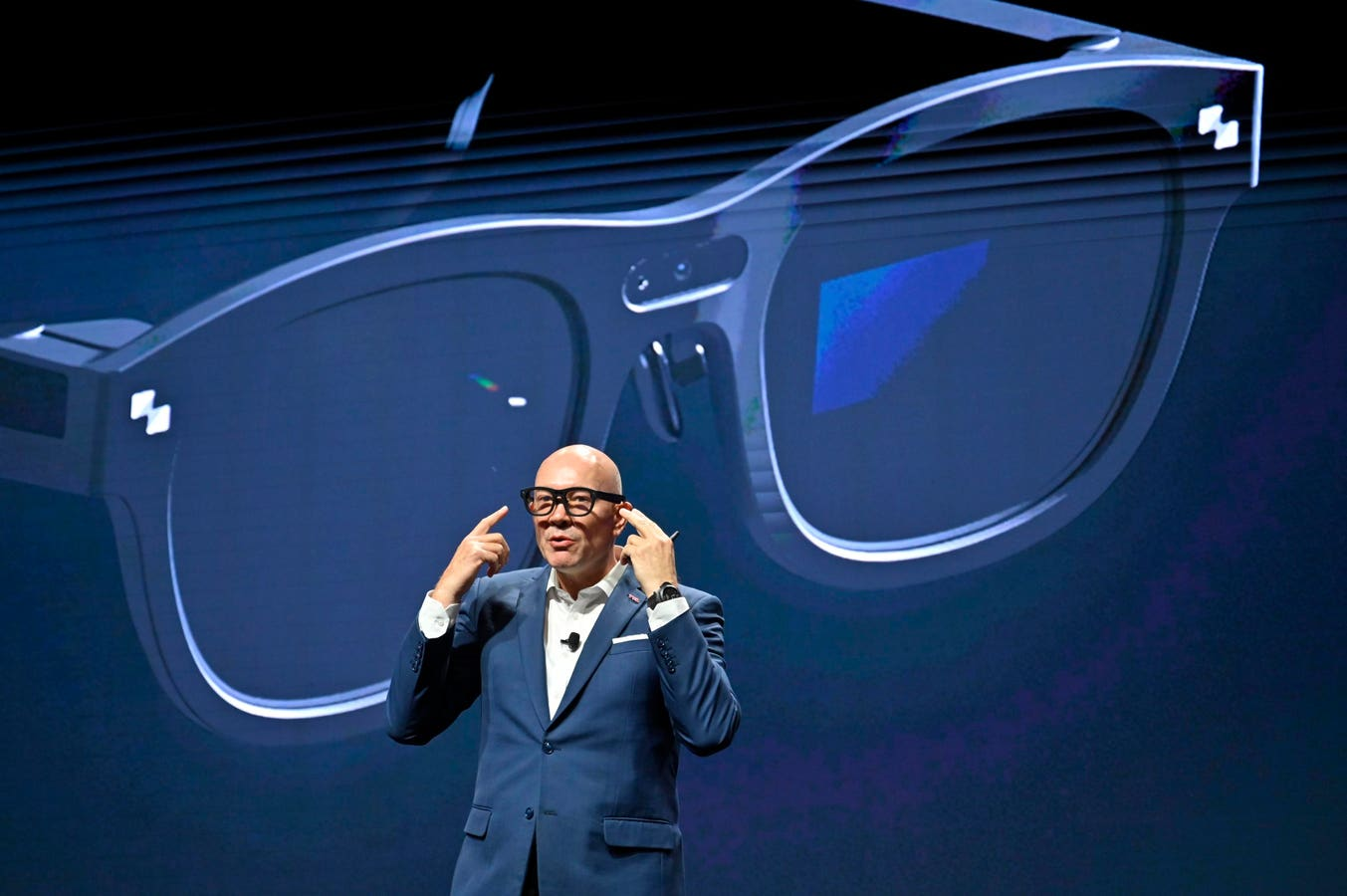
The emergence of smart glasses marks a significant turning point in how businesses operate. As technology advances, enterprises must recognize the potential of augmented reality (AR) devices. Smart glasses can transform workflows, enhance training, and improve efficiency across various sectors. While we are not fully mainstream yet, the momentum is building. Companies that ignore this trend risk missing out on crucial innovations.
Key Highlights
- Smart glasses have evolved since Google Glass, with new models from companies like Google, HTC, and Lenovo showcased at CES.
- The technology allows frontline workers to receive real-time information, reducing training time and improving task execution.
- Examples include guiding employees in food preparation and inventory management, enhancing productivity and accuracy.
- The integration of smart glasses can also benefit office workers by providing instant feedback and contextual information during meetings.
The Bigger Picture
Adopting smart glasses can lead to a more efficient and engaged workforce. By facilitating real-time communication and access to information, companies can streamline operations and improve employee satisfaction. As industries like manufacturing and logistics embrace this technology, others must follow suit or risk being left behind. The future of work is evolving, and smart glasses could be at the forefront of this transformation, enabling businesses to thrive in a competitive landscape.